

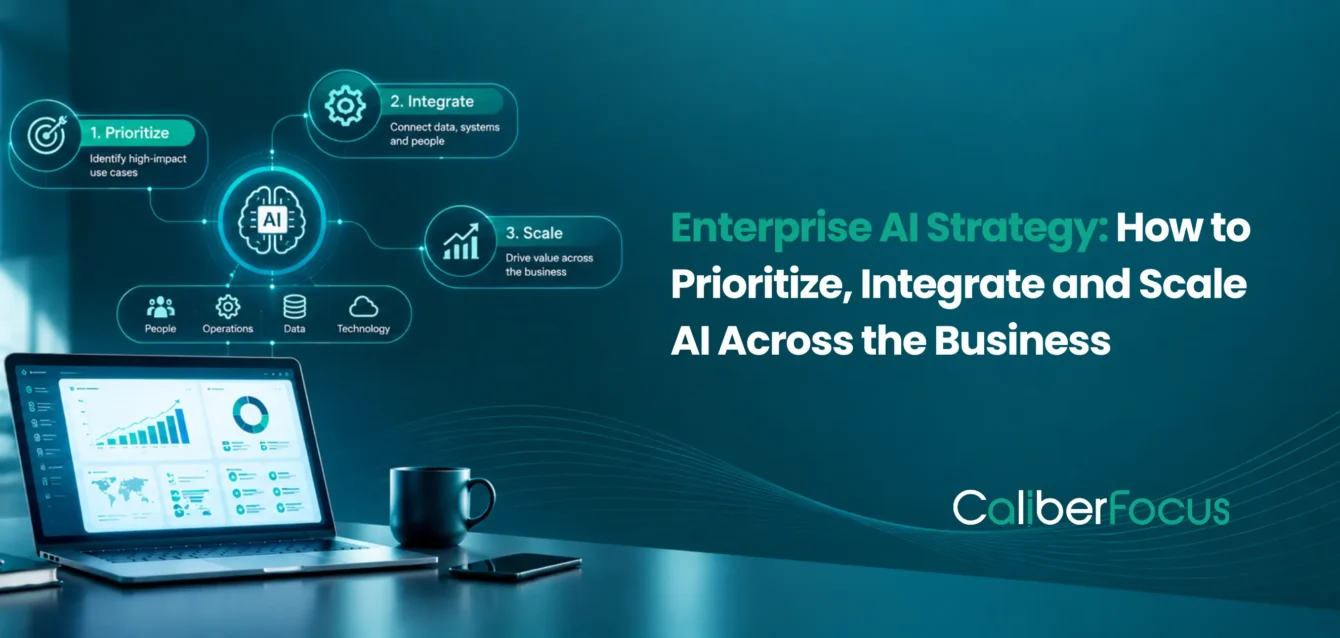
An enterprise AI strategy gives leadership a way to decide where AI deserves investment, how individual initiatives fit broader business priorities, and what the organization needs to implement and scale AI with control. It is not a catalog of AI use…
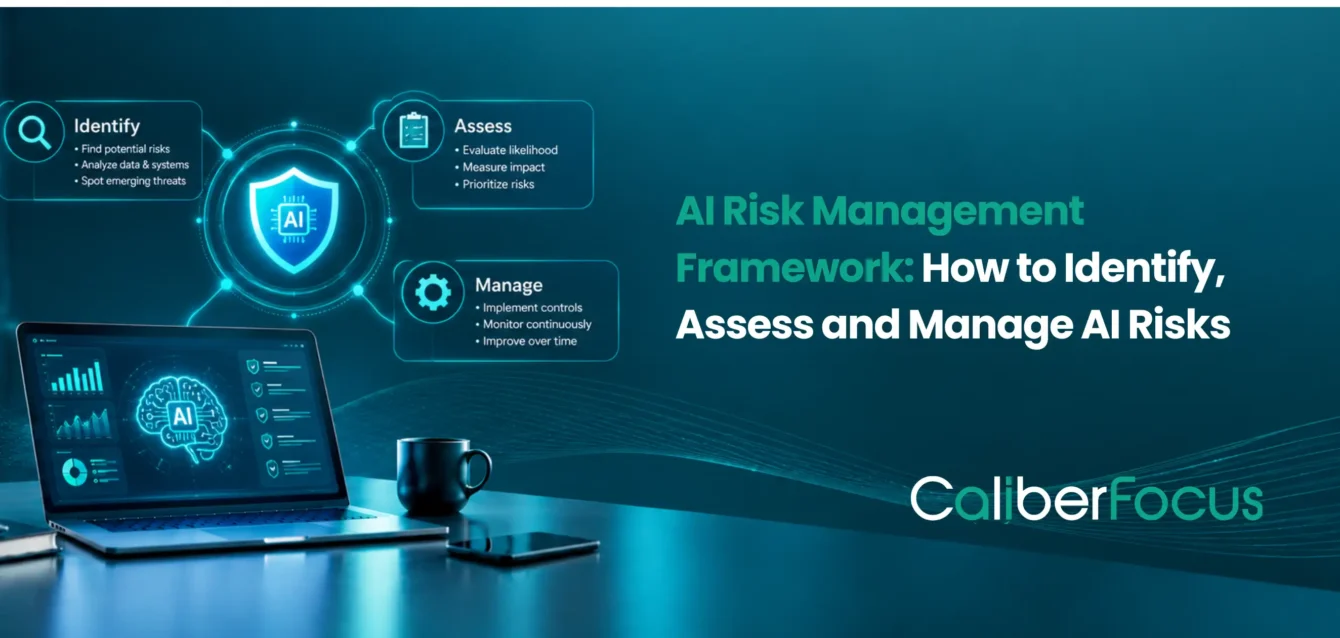
AI Risk Management Framework: How to Identify, Assess and Manage AI Risks
As AI moves from isolated pilots into business processes, enterprise applications, decision support, and increasingly autonomous workflows, the risk conversation changes. Organizations need to understand not only whether an AI system works, but what it can access, which decisions or actions…
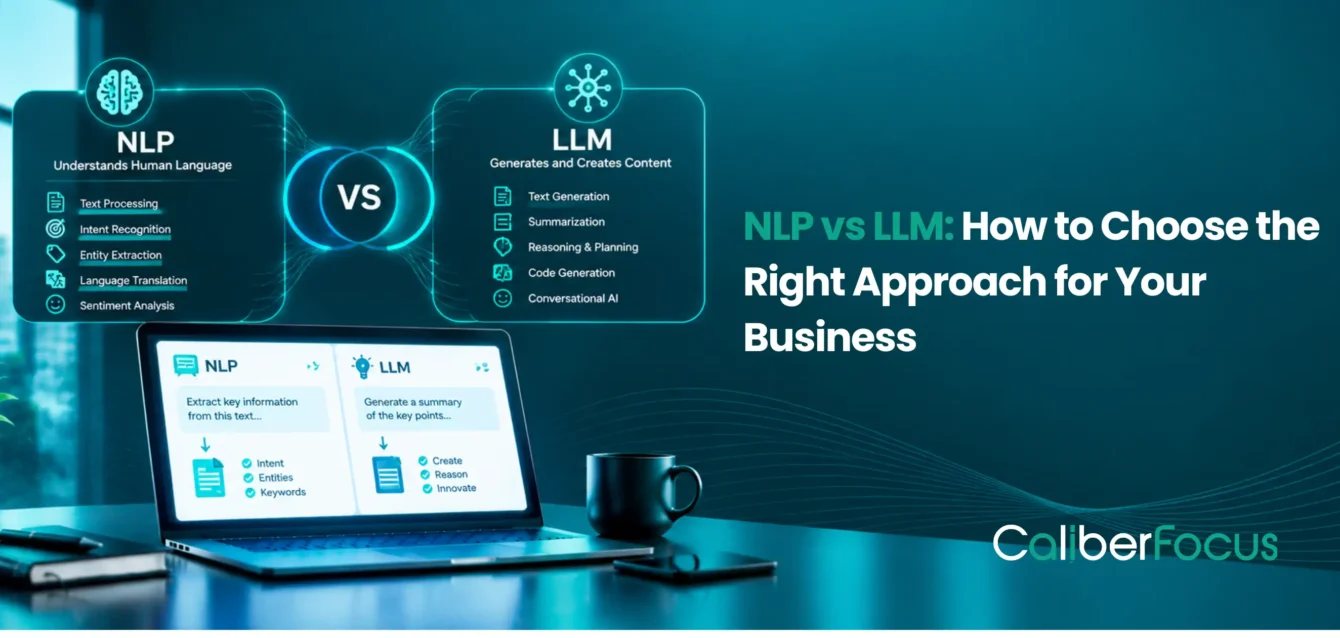
NLP vs LLM: How to Choose the Right Approach for Your Business
NLP is the broader field for enabling machines to process and understand human language, while LLMs are language models designed to understand and generate language across a wider range of tasks. For businesses, NLP is often enough for defined tasks such…
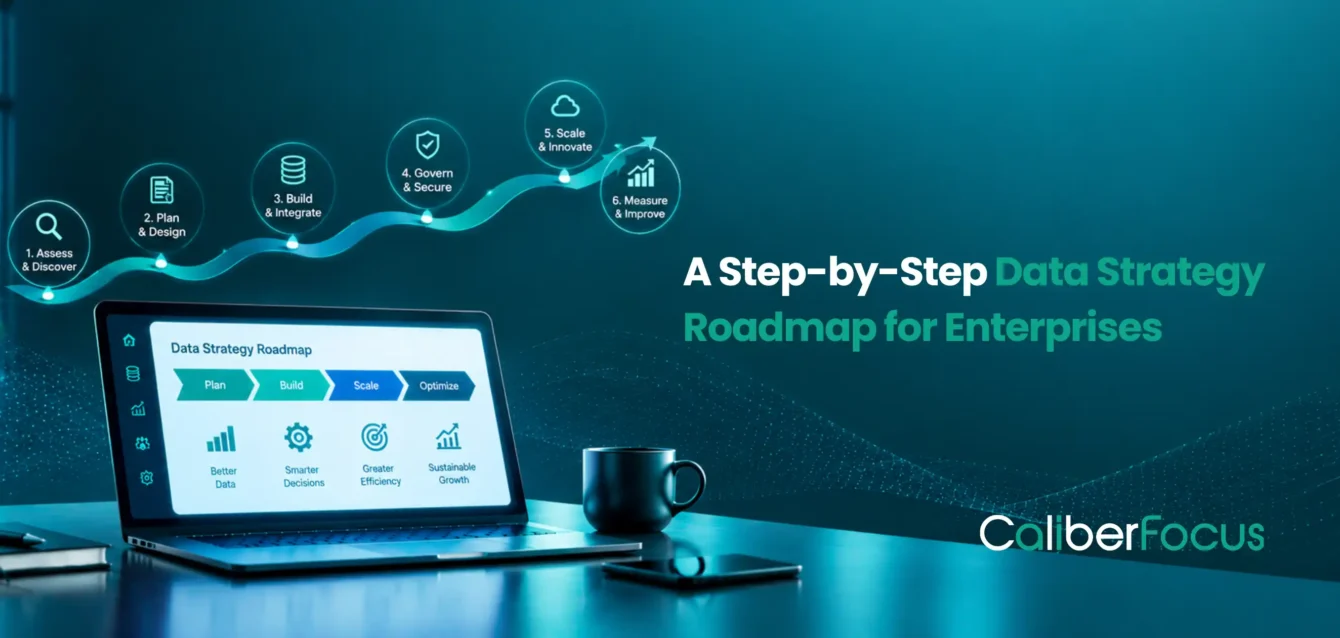
A Step-by-Step Data Strategy Roadmap for Enterprises
A data strategy roadmap is a prioritized plan that connects business goals with the data capabilities, initiatives and investments required to achieve them. It establishes where the organization is today, what needs to change, which initiatives should come first and how…
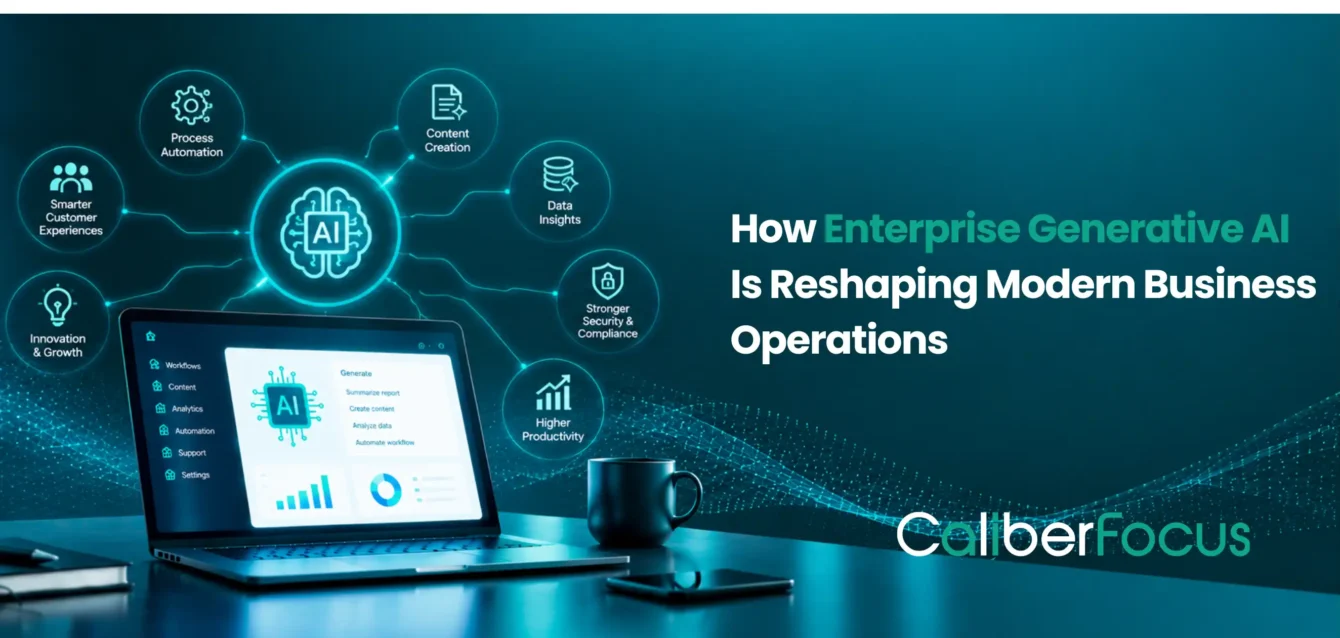
How Enterprise Generative AI Is Reshaping Modern Business Operations
Enterprise generative AI is moving beyond content generation and copilots into the workflows that run the business. When connected with enterprise data, applications, APIs, and knowledge, GenAI can help teams retrieve context, analyze information, support decisions, generate required outputs, and initiate…
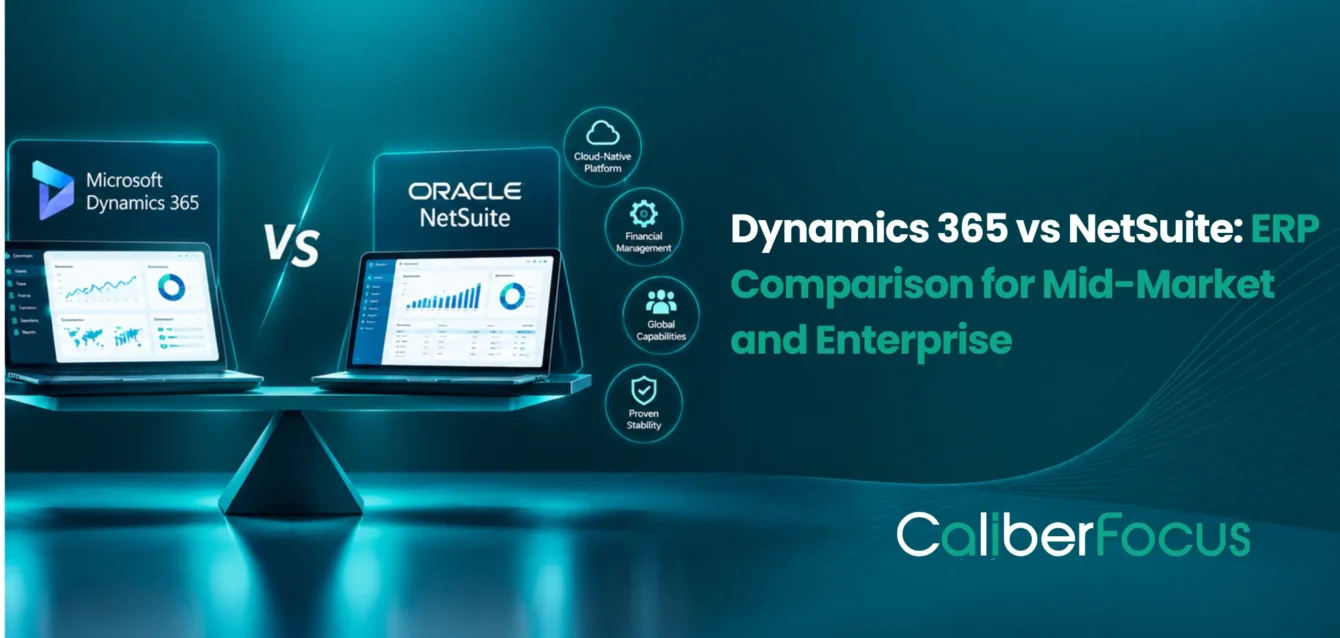
Dynamics 365 vs NetSuite: ERP Comparison for Mid-Market and Enterprise
Choosing between Dynamics 365 and NetSuite rarely comes down to a single feature gap. Dynamics 365 is not one ERP product; it spans Business Central for mid-market operations and Dynamics 365 Finance and Supply Chain Management for larger, more complex organizations,…
Dynamics 365 Finance vs Business Central: Which One Actually Fits Your Financial Complexity
Business Central runs a single entity well. Dynamics 365 Finance is built for the complexity that shows up once you have more than one. Add a second legal entity, a foreign subsidiary, or an audit committee asking for segregation-of-duties controls, and…
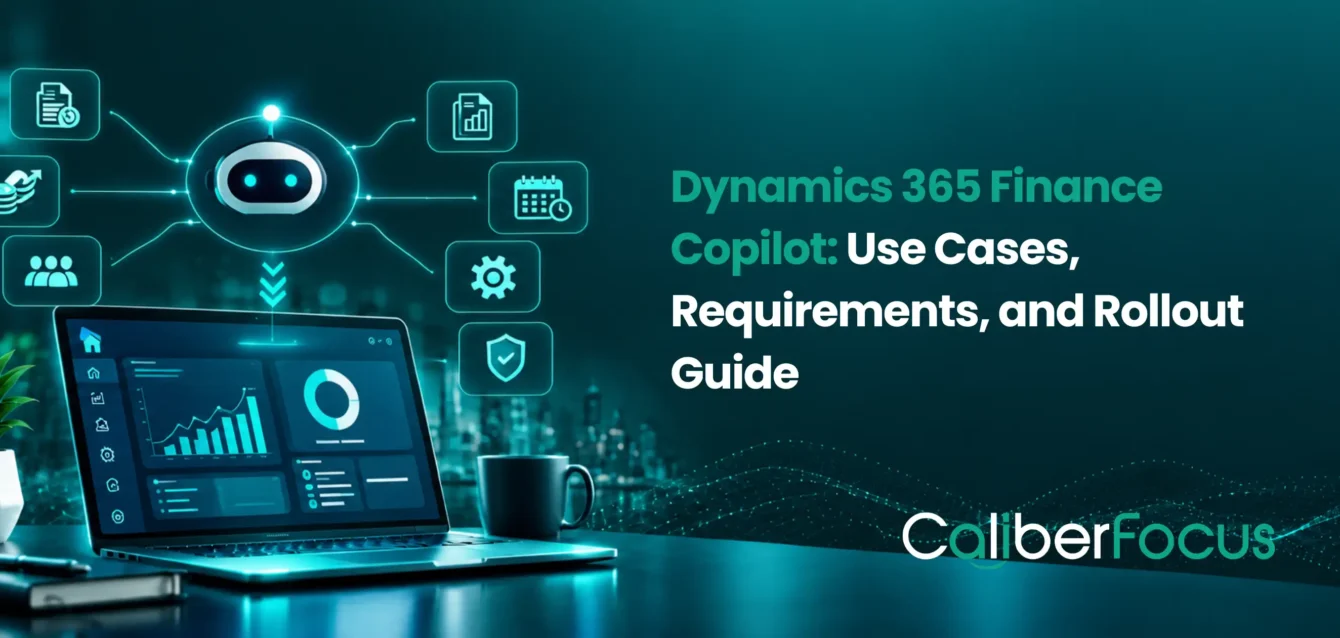
Dynamics 365 Finance Copilot: Use Cases, Requirements, and Rollout Guide
Dynamics 365 Finance Copilot brings AI assistance into finance operations such as collections, customer account analysis, workflow and approval review, customer communication, in-app guidance, and natural-language interaction with Finance data. It helps users summarize relevant information, understand account or workflow context,…
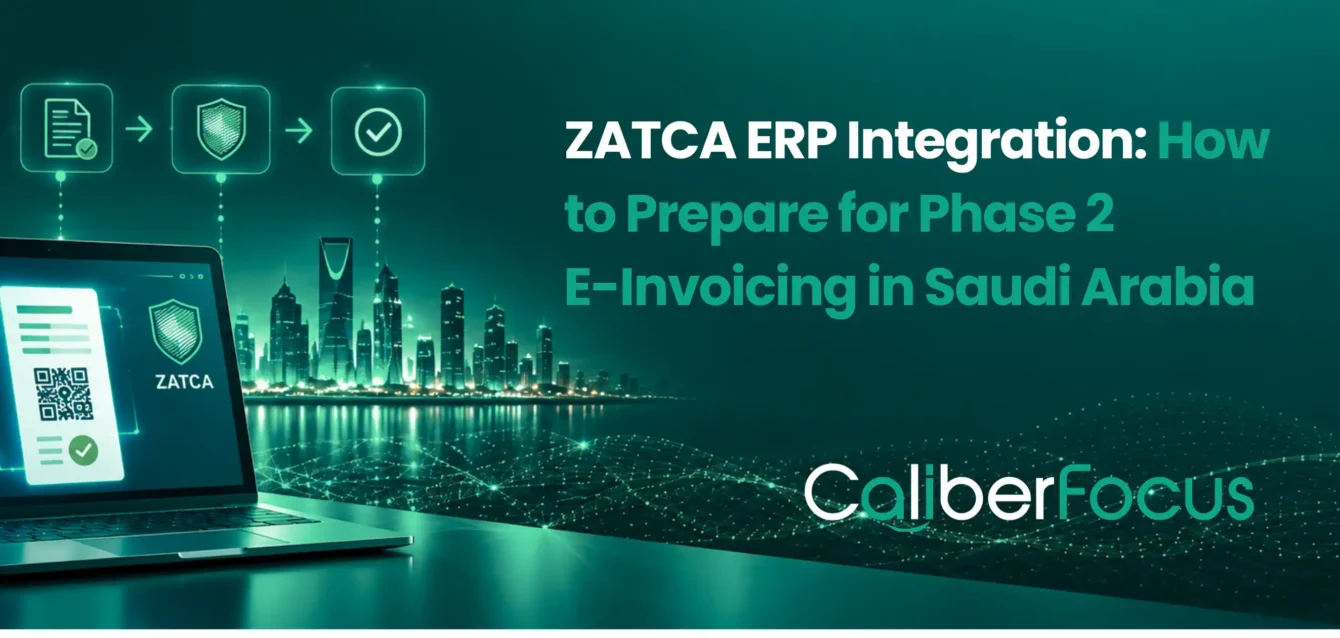
ZATCA ERP Integration: How to Prepare for Phase 2 E-Invoicing in Saudi Arabia
Generating an electronic tax invoice inside an ERP does not by itself complete Saudi Arabia’s Phase 2 e-invoicing requirement. Finance and IT teams also need to make sure invoice data, XML generation, validation, security, FATOORA connectivity, regulatory responses, and reconciliation work…
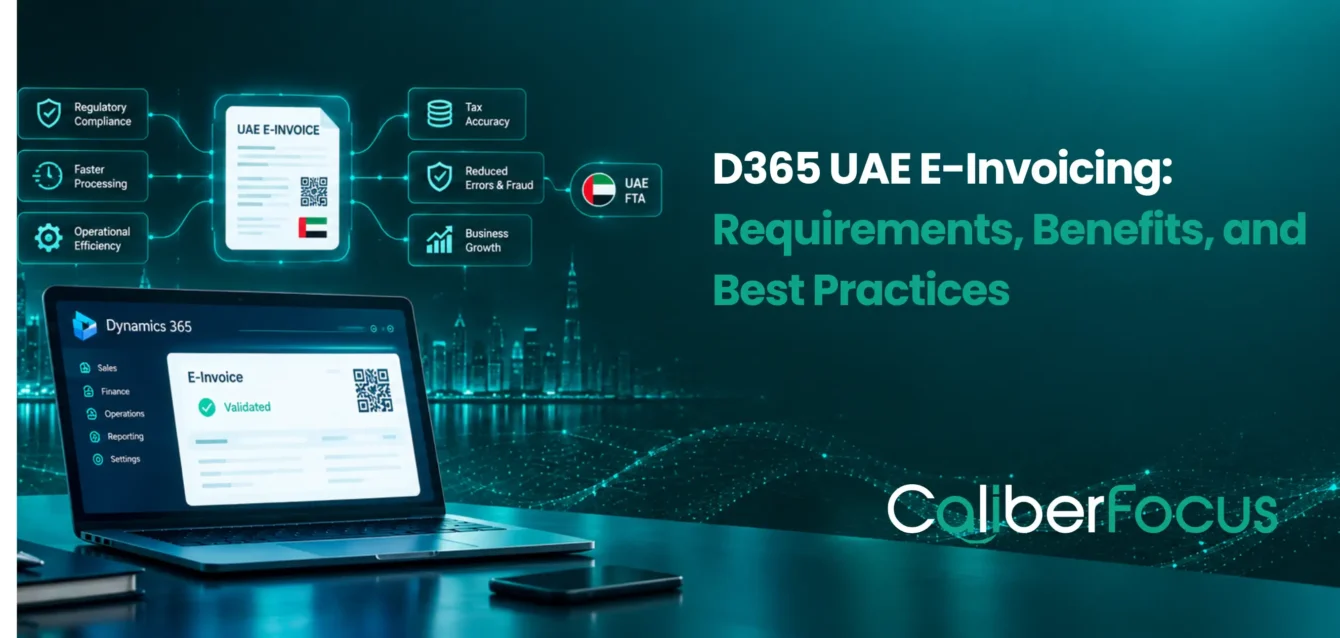
D365 UAE E-Invoicing: Requirements, Benefits, and Best Practices
A Dynamics 365 invoice can be accurate inside the ERP and still be unprepared for UAE e-invoicing if required tax data, structured invoice fields, validation controls, or ASP connectivity are missing. That is the practical challenge behind D365 UAE E-Invoicing. Businesses…