

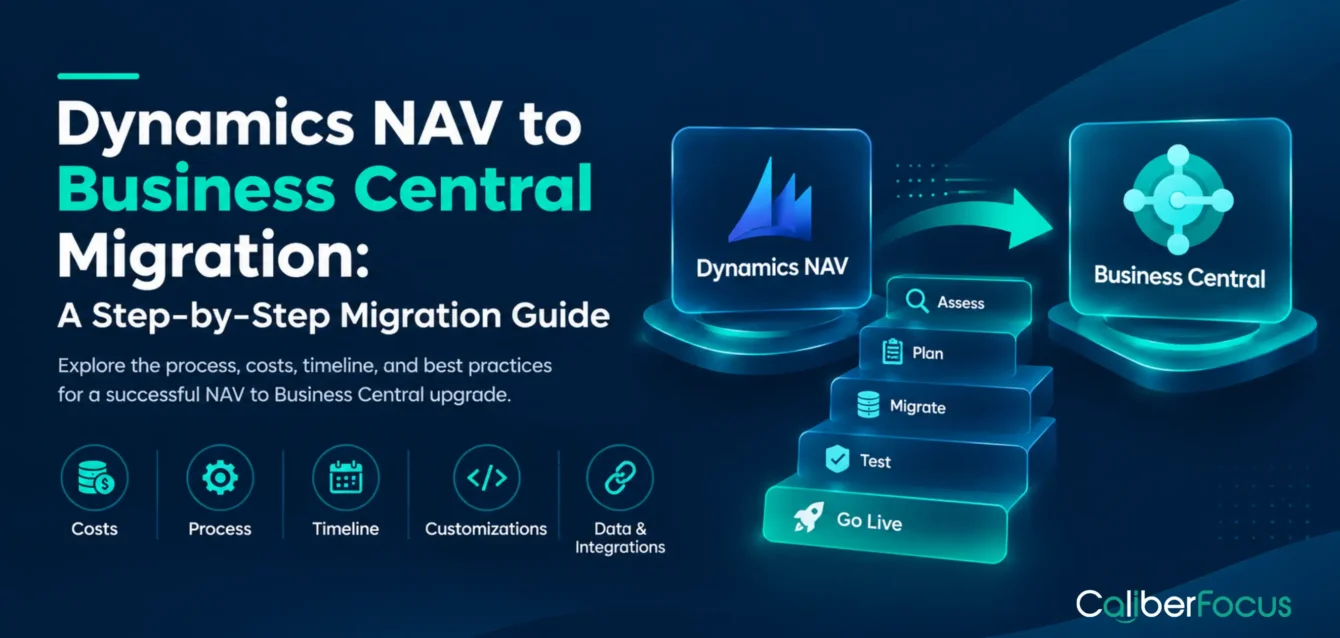
Upgrading from Microsoft Dynamics NAV to Dynamics 365 Business Central involves more than installing a newer ERP version. Businesses must account for existing financial records, inventory operations, customizations, reporting, and integrations that need to continue functioning after the transition. A successful…
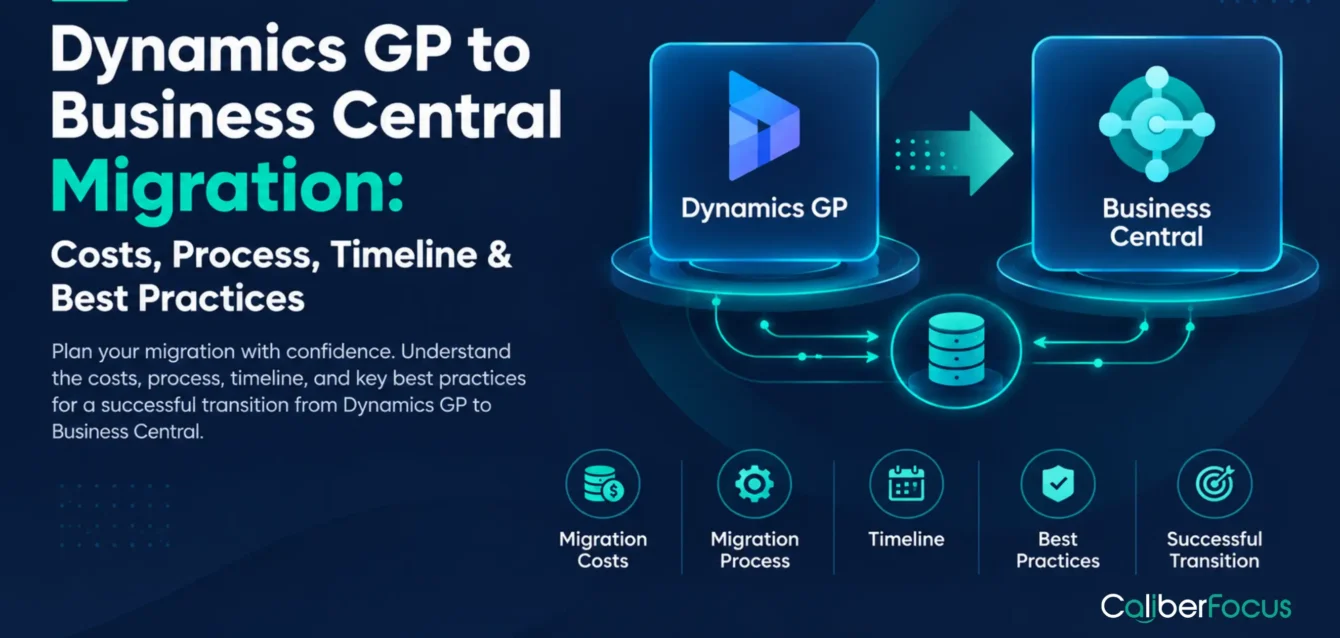
Dynamics GP to Business Central Migration: Costs, Process, Timeline & Best Practices
For organizations still running Microsoft Dynamics GP, moving to Dynamics 365 Business Central is becoming an important ERP planning decision. Finance and IT leaders must determine how to replace established workflows, preserve financial records, and introduce a new ERP without disrupting…
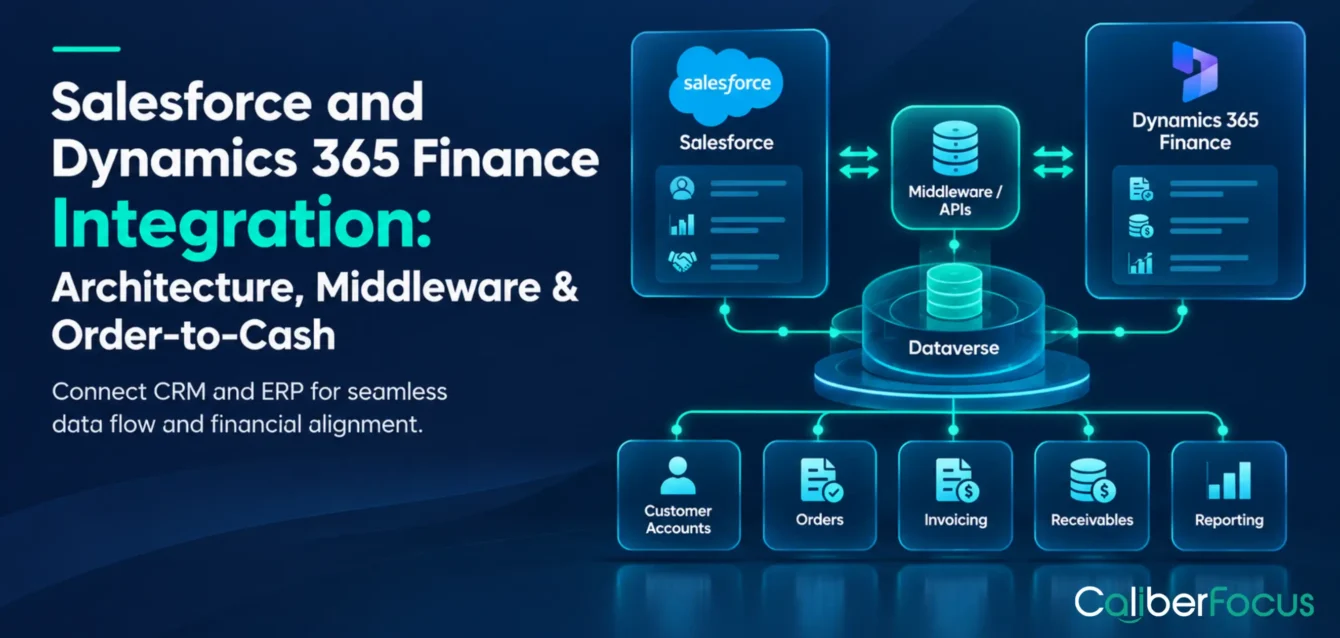
Salesforce and Dynamics 365 Finance Integration: Architecture, Middleware & Order-to-Cash
Salesforce manages customer relationships, sales opportunities, and commercial activities, while Microsoft Dynamics 365 Finance handles accounting, accounts receivable, and financial reporting. Without integration, sales and finance teams may rely on manual data transfers and separate reports to track transactions. Salesforce and…
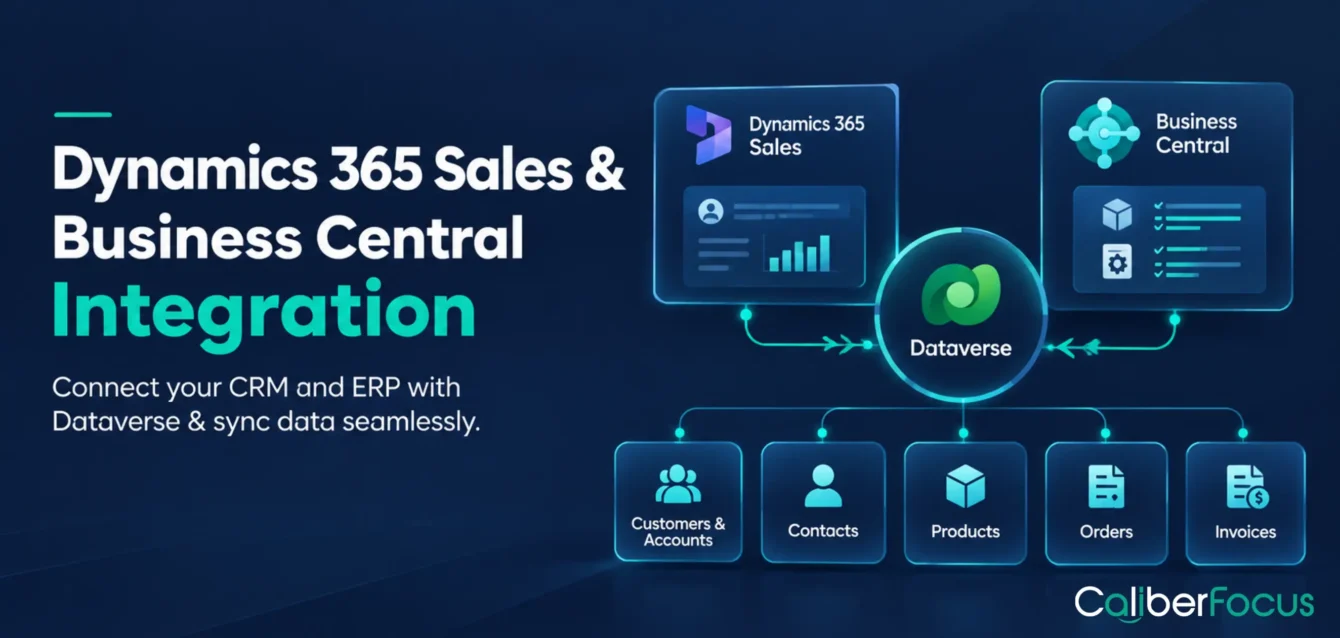
Dynamics 365 Sales and Business Central Integration: Dataverse & Data Sync
Sales and finance teams often work with different versions of the same customer information. Dynamics 365 Sales manages customer relationships, opportunities, and sales activities, while Dynamics 365 Business Central handles financial transactions, inventory, orders, and invoicing. Without a defined connection, information…
Business Central Power BI Integration: Setup, Reports & Dashboards
Microsoft Dynamics 365 Business Central brings financial and operational data into one ERP environment. However, having information in one system does not always give business leaders the reporting flexibility they need. A CFO may want to compare profitability across companies, while…
How to Choose a Business Central Consultant: What to Look For
Implementing or improving Microsoft Dynamics 365 Business Central involves decisions that extend beyond ERP configuration. How should financial transactions be recorded across departments? Where do purchasing, sales, and inventory processes need better controls? How will Business Central exchange information with existing…
ERP Implementation Cost: Pricing Factors, Budget Breakdown, and Dynamics 365 Estimates
Implementing an ERP system is a transformative step for any business, and Microsoft Dynamics 365 sits among the top solutions for companies looking to streamline operations, gain real-time insights, and future-proof their processes. But before diving in, finance leaders often ask the same question
Microsoft Dynamics 365 Business Central Implementation: A Complete Step-by-Step Guide
Microsoft Dynamics 365 Business Central implementation involves configuring financial and operational processes, migrating business data, connecting existing applications, testing transactions, and preparing employees to work in the new ERP environment. For growing businesses, the challenge is rarely limited to installing software….
Top Microsoft Dynamics 365 Partners in USA for 2026
U.S. organizations are increasingly evaluating Dynamics 365 in environments where ERP and CRM decisions extend well beyond replacing a business application. Manufacturers may need tighter coordination across finance, supply chain, inventory, and production. Healthcare organizations have different requirements around financial operations,…
Dynamics 365 vs NetSuite: ERP Comparison for Mid-Market and Enterprise
Choosing between Dynamics 365 and NetSuite rarely comes down to a single feature gap. Dynamics 365 is not one ERP product; it spans Business Central for mid-market operations and Dynamics 365 Finance and Supply Chain Management for larger, more complex organizations,…