

Business intelligence (BI) is going through one of its most interesting shifts in years. For nearly two decades, the operating model has been relatively consistent: That model is changing, or more precisely, expanding. AI is introducing new ways to access, question,…
Healthcare ERP Modernization: How to Assess Readiness and Plan Implementation
Healthcare organizations can operate advanced clinical systems while relying on fragmented financial, procurement, and administrative applications. Across hospitals, physician groups, and multi-facility health systems, disconnected ERP environments can complicate financial consolidation, medical supply purchasing, revenue cycle reconciliation, and enterprise reporting. Healthcare…
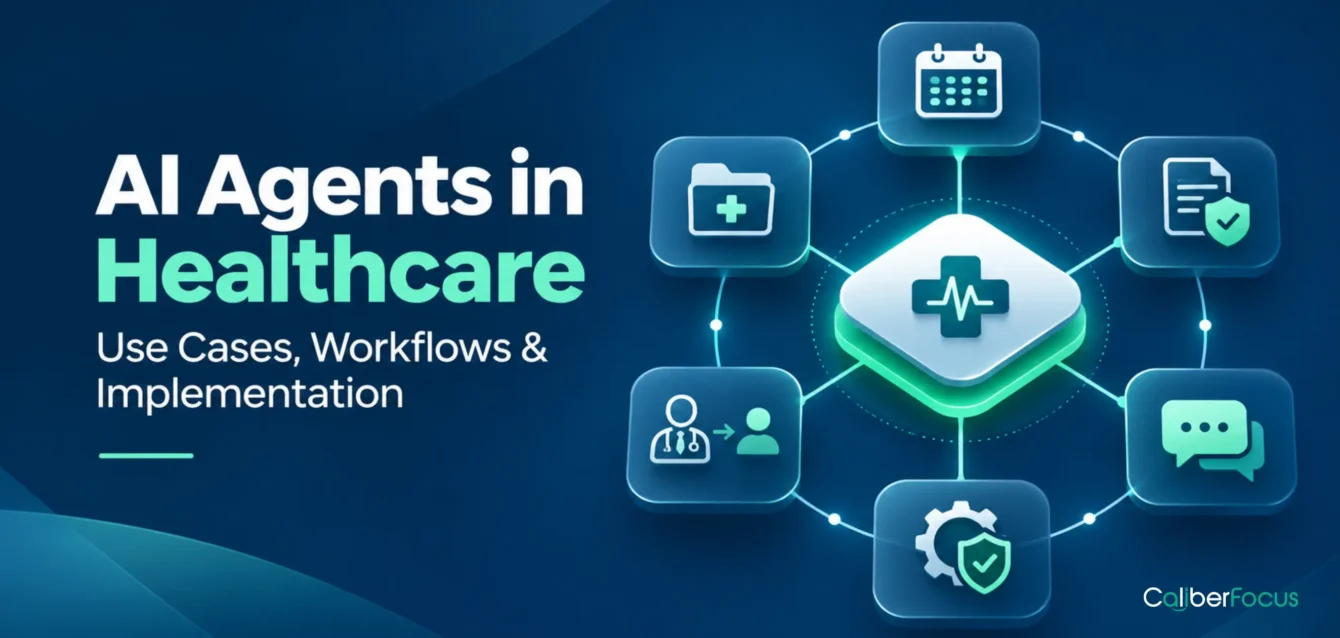
AI Agents in Healthcare: Use Cases, Workflows, and Implementation
THE OPERATIONAL GAP ↘01 / THE CONTEXT Healthcare has digitized.The handoffs haven’t. Healthcare organizations have invested in EHRs, digital scheduling, patient portals, and automated communication. Yet staff still spend hours resolving incomplete registrations, coordinating appointments, following up on authorizations, retrieving information…
How to Migrate from QuickBooks to Business Central: Step-by-Step Guide
QuickBooks may serve a growing company’s accounting needs for years. However, when purchasing, inventory, sales, and financial reporting increasingly depend on separate applications or spreadsheets, accounting software can become a constraint on how the business operates. QuickBooks to Business Central migration…
Power Automate Workflow Design: Steps, Examples, and Best Practices
A Power Automate workflow can route purchase approvals, update CRM records, coordinate employee onboarding, and connect activities across Microsoft 365 and Dynamics 365. But configuring a trigger and a sequence of actions does not guarantee that the process will operate reliably…
Dynamics 365 vs Salesforce: CRM Comparison for Mid-Market Businesses (2026)
Choosing between Microsoft Dynamics 365 and Salesforce requires more than comparing CRM features or subscription prices. For mid-market businesses, the stronger platform is the one that supports existing sales processes, integrates with critical applications, and remains manageable as operations expand. Dynamics…
Putting AI to Work: Embedded AI Assistants in RCM Workflows
RCM platforms automate claim edits, electronic submissions, payment posting, and work queue assignments. Yet revenue cycle teams still spend considerable time investigating clearinghouse rejections, interpreting payer denials, reviewing account histories, and determining the next action. The challenge is not always a…
Top 12 Microsoft Power Platform Consulting Companies in 2026
Businesses evaluating Microsoft Power Platform consulting companies are often looking to get more value from their existing systems without investing in extensive custom development. Microsoft Power Platform addresses these needs through low-code applications, workflow automation, data analytics, and AI-powered solutions. The…
Dynamics AX to Dynamics 365 Finance & Operations Migration: Benefits, Process & Key Considerations
For organizations still operating Microsoft Dynamics AX 2012, ERP migration involves more than replacing an unsupported application. Financial reporting, procurement, manufacturing, inventory, and supply chain processes may depend on years of AX configurations, custom code, and third-party integrations. With Dynamics AX…
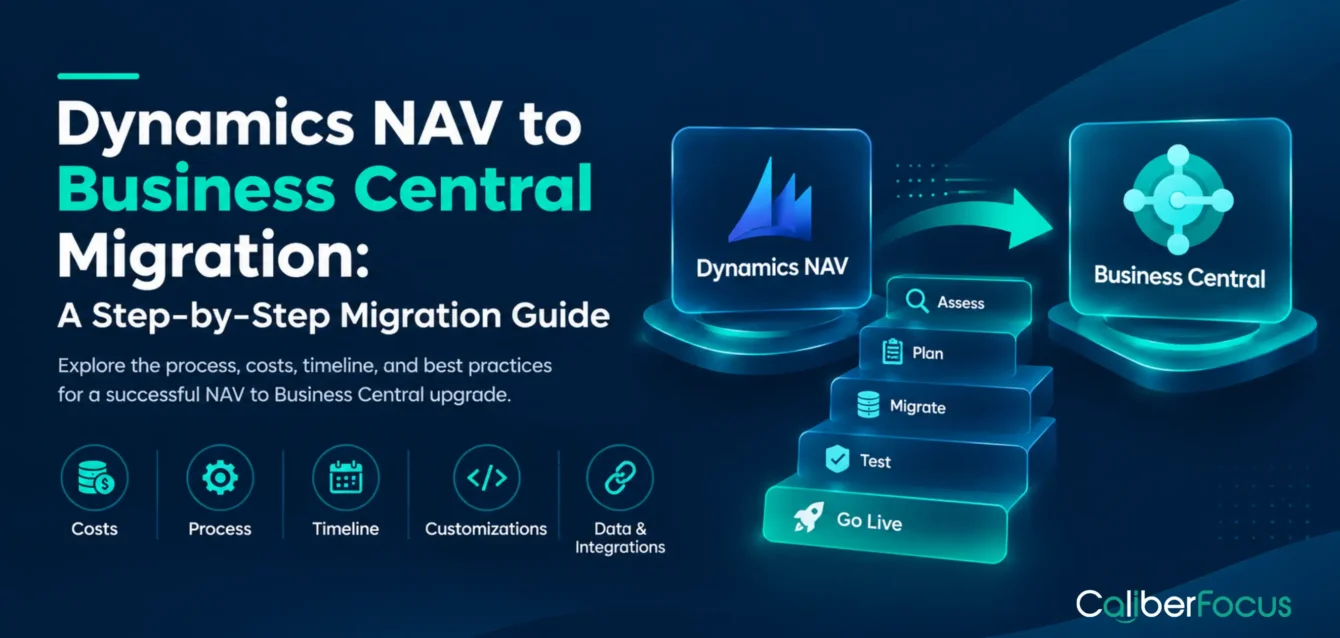
Dynamics NAV to Business Central Upgrade: A Step-by-Step Migration Guide
Upgrading from Microsoft Dynamics NAV to Dynamics 365 Business Central involves more than installing a newer ERP version. Businesses must account for existing financial records, inventory operations, customizations, reporting, and integrations that need to continue functioning after the transition. A successful…