

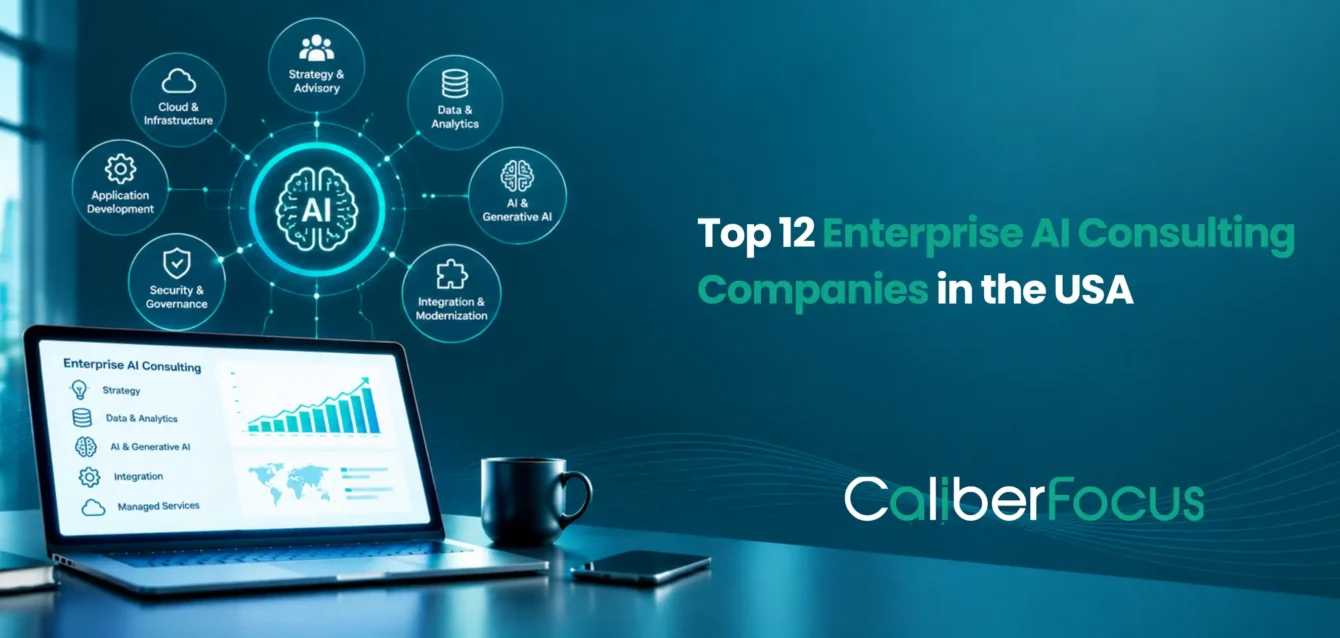
Enterprise AI is becoming a strategic priority for organizations looking to improve how decisions are made, workflows operate, knowledge is accessed, and teams work across business functions. Turning those opportunities into enterprise capabilities requires clear decisions about where AI can create…
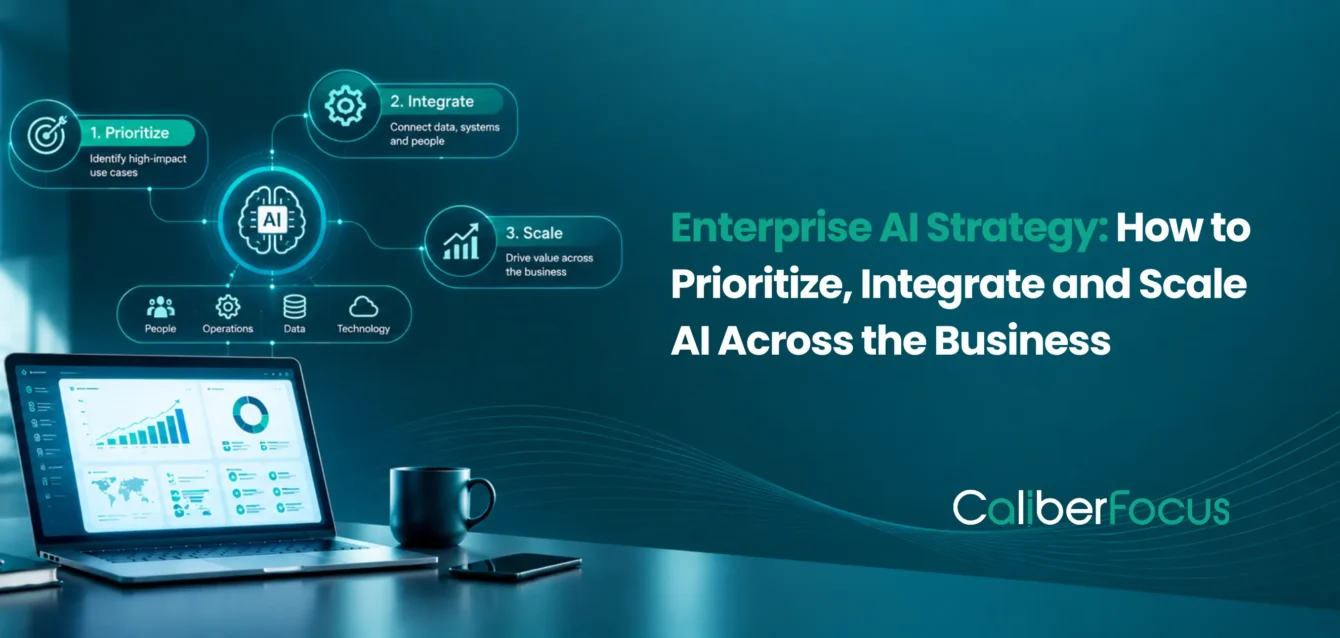
Enterprise AI Strategy: How to Prioritize, Integrate and Scale AI Across the Business
An enterprise AI strategy gives leadership a way to decide where AI deserves investment, how individual initiatives fit broader business priorities, and what the organization needs to implement and scale AI with control. It is not a catalog of AI use…
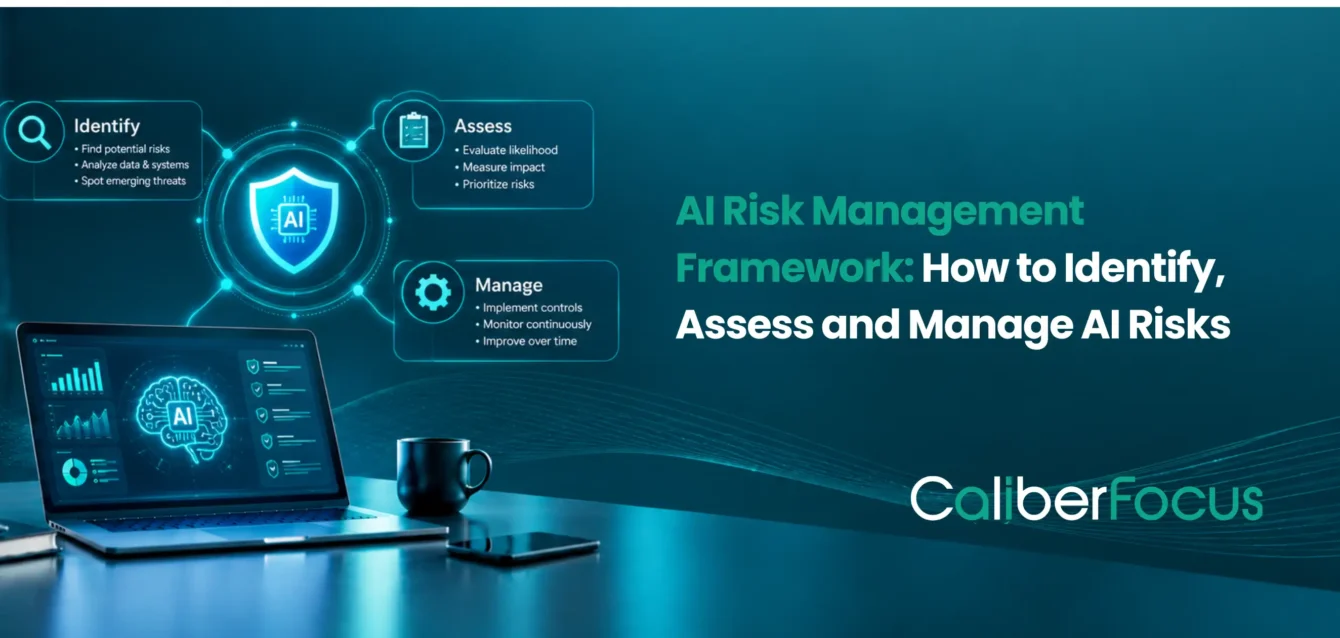
AI Risk Management Framework: How to Identify, Assess and Manage AI Risks
As AI moves from isolated pilots into business processes, enterprise applications, decision support, and increasingly autonomous workflows, the risk conversation changes. Organizations need to understand not only whether an AI system works, but what it can access, which decisions or actions…
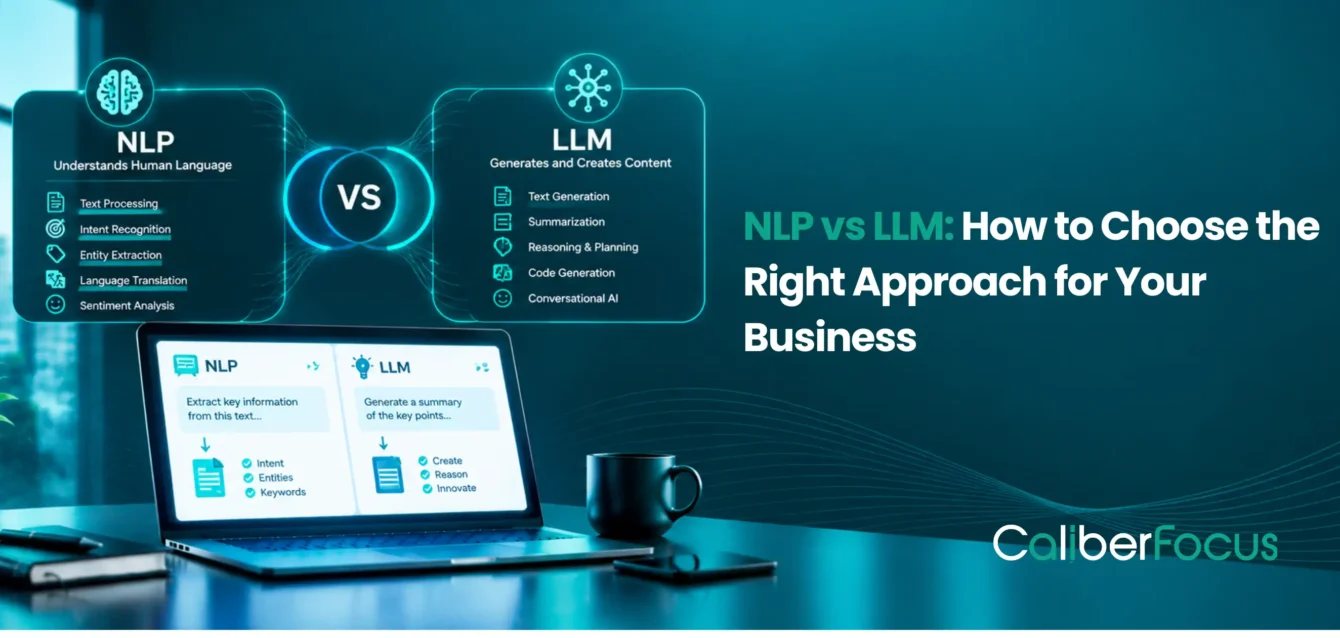
NLP vs LLM: How to Choose the Right Approach for Your Business
NLP is the broader field for enabling machines to process and understand human language, while LLMs are language models designed to understand and generate language across a wider range of tasks. For businesses, NLP is often enough for defined tasks such…
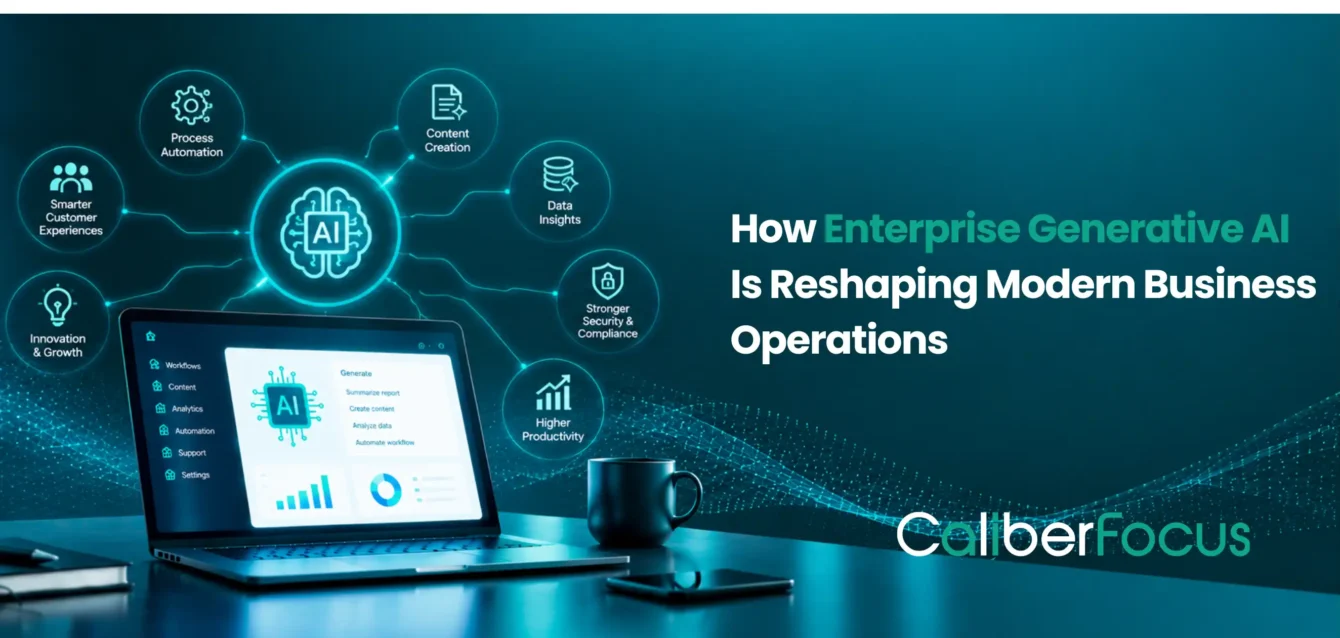
How Enterprise Generative AI Is Reshaping Modern Business Operations
Enterprise generative AI is moving beyond content generation and copilots into the workflows that run the business. When connected with enterprise data, applications, APIs, and knowledge, GenAI can help teams retrieve context, analyze information, support decisions, generate required outputs, and initiate…

Top Computer Vision Companies in the USA
Looking for a computer vision development company because your teams can no longer keep up with what cameras, images, documents, and visual systems are producing? You are not alone. Enterprises are using computer vision to automate inspection, detect defects, process documents,…

How HIPAA Compliant AI Reduces Risk and Manual Work
Healthcare organizations are under immense pressure to adopt AI, to cut administrative costs, speed up clinical workflows, and improve patient outcomes. But the phrase “HIPAA compliant AI” is one of the most misunderstood terms in health tech today. Most vendors claim…

Top Computer Vision Development Companies in 2026
The global computer vision market is projected to reach $41.11 billion by 2030, growing at 19.6% annually. (Grand View Research) Behind that number, manufacturers, hospitals, logistics operators, and retailers are actively replacing manual visual processes with AI systems that run continuously…

AI Automated Claims Management To Improve Payer Efficiency
AI automated claims management improves payer efficiency by automating how claims are received, validated, adjudicated, and resolved. It does this by extracting data from documents and clinical notes, predicting claim accuracy and denial risk, applying payer policy during adjudication, and automatically…