

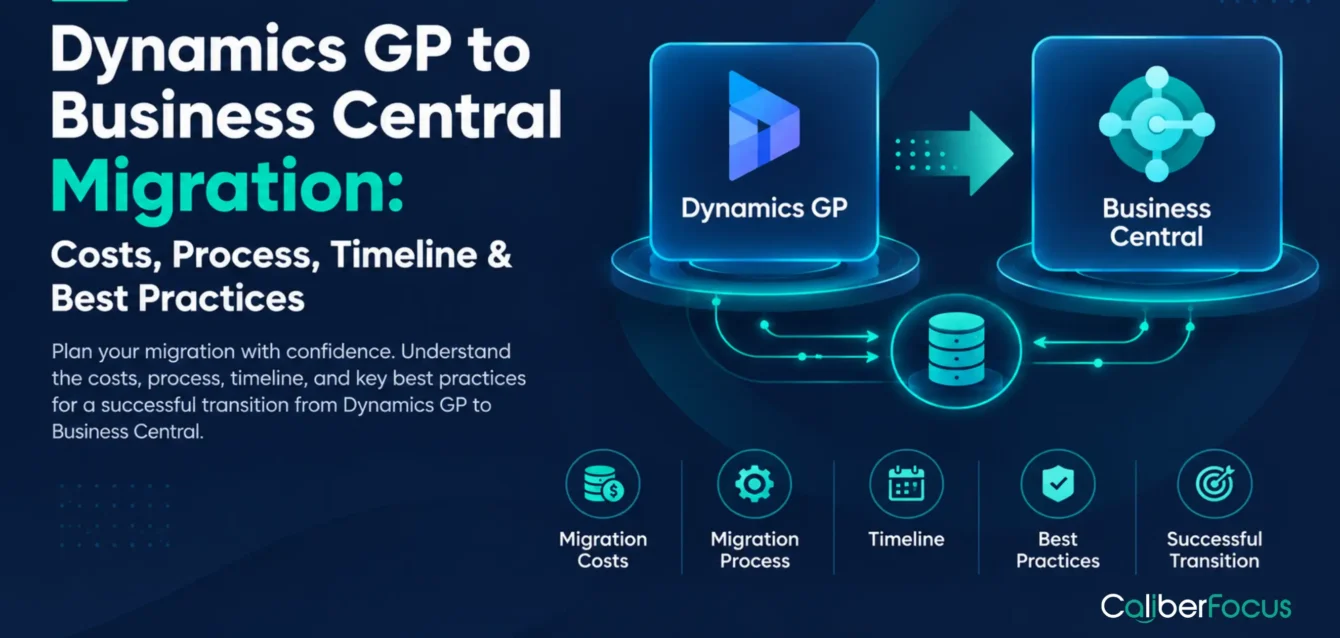
For organizations still running Microsoft Dynamics GP, moving to Dynamics 365 Business Central is becoming an important ERP planning decision. Finance and IT leaders must determine how to replace established workflows, preserve financial records, and introduce a new ERP without disrupting…
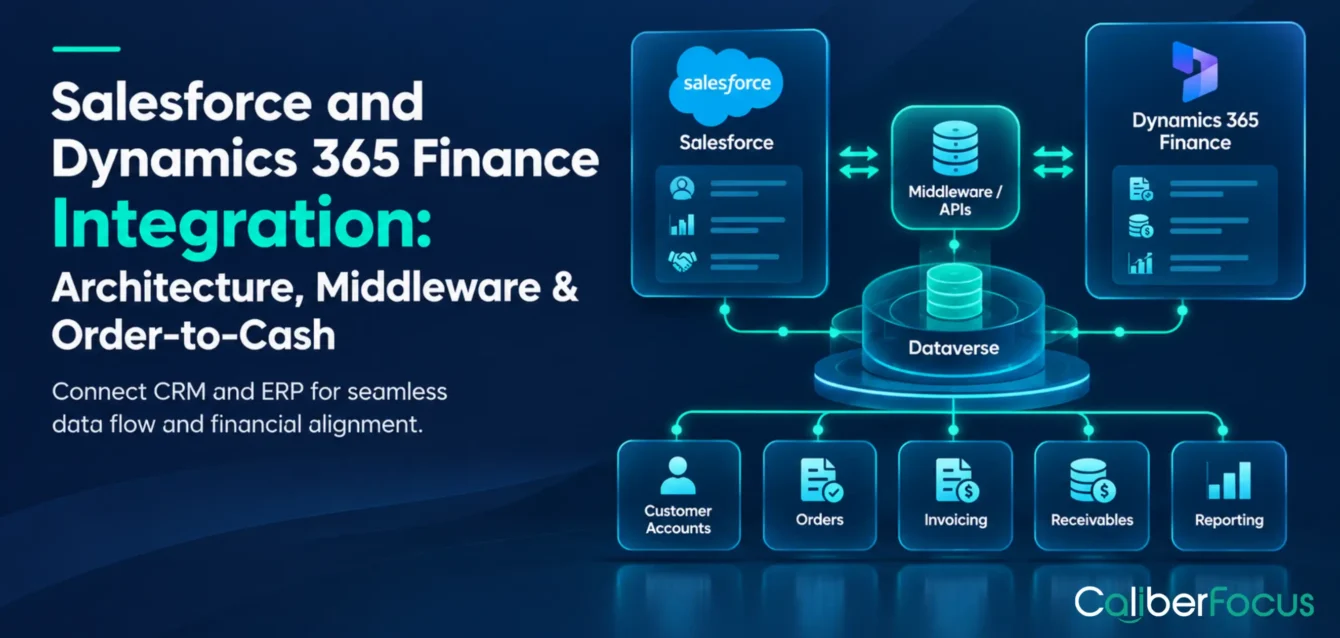
Salesforce and Dynamics 365 Finance Integration: Architecture, Middleware & Order-to-Cash
Salesforce manages customer relationships, sales opportunities, and commercial activities, while Microsoft Dynamics 365 Finance handles accounting, accounts receivable, and financial reporting. Without integration, sales and finance teams may rely on manual data transfers and separate reports to track transactions. Salesforce and…
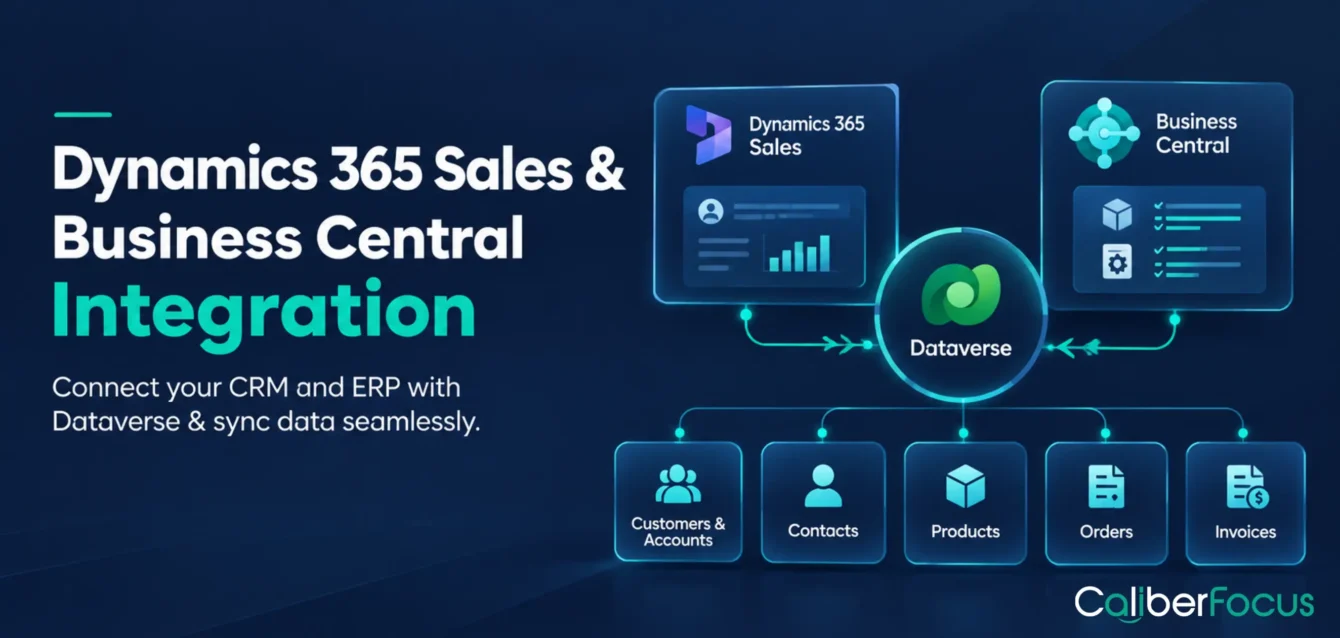
Dynamics 365 Sales and Business Central Integration: Dataverse & Data Sync
Sales and finance teams often work with different versions of the same customer information. Dynamics 365 Sales manages customer relationships, opportunities, and sales activities, while Dynamics 365 Business Central handles financial transactions, inventory, orders, and invoicing. Without a defined connection, information…
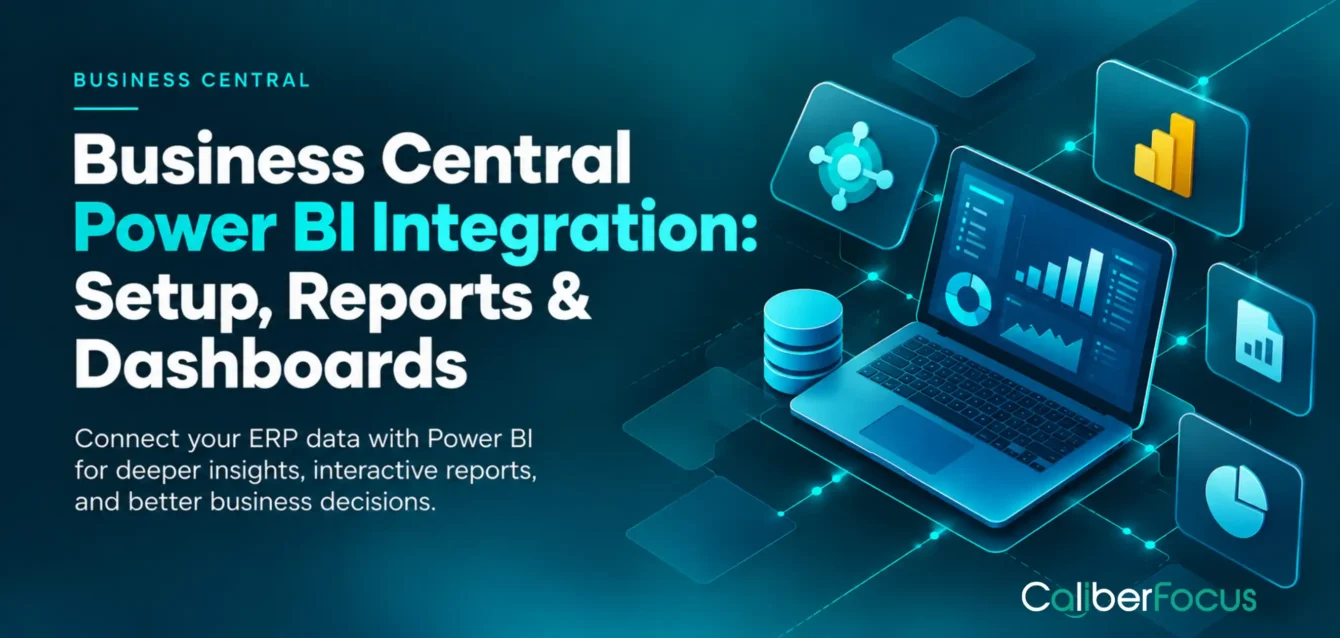
Business Central Power BI Integration: Setup, Reports & Dashboards
Microsoft Dynamics 365 Business Central brings financial and operational data into one ERP environment. However, having information in one system does not always give business leaders the reporting flexibility they need. A CFO may want to compare profitability across companies, while…
How to Choose a Business Central Consultant: What to Look For
Implementing or improving Microsoft Dynamics 365 Business Central involves decisions that extend beyond ERP configuration. How should financial transactions be recorded across departments? Where do purchasing, sales, and inventory processes need better controls? How will Business Central exchange information with existing…
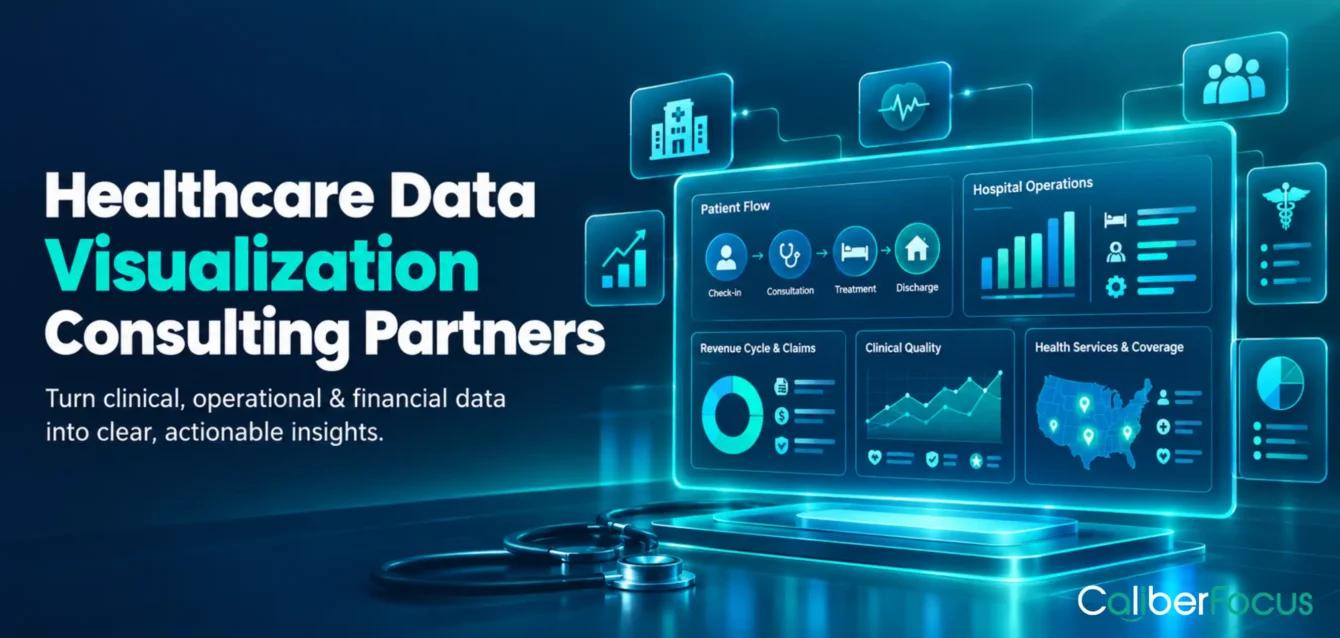
Top Healthcare Data Visualization Consulting Partners
Healthcare organizations need reliable dashboards to understand clinical performance, revenue cycle trends, patient access, and operational efficiency. However, data spread across EHRs, billing systems, claims platforms, and departmental applications often makes reporting inconsistent and difficult to act on. Choosing the right…
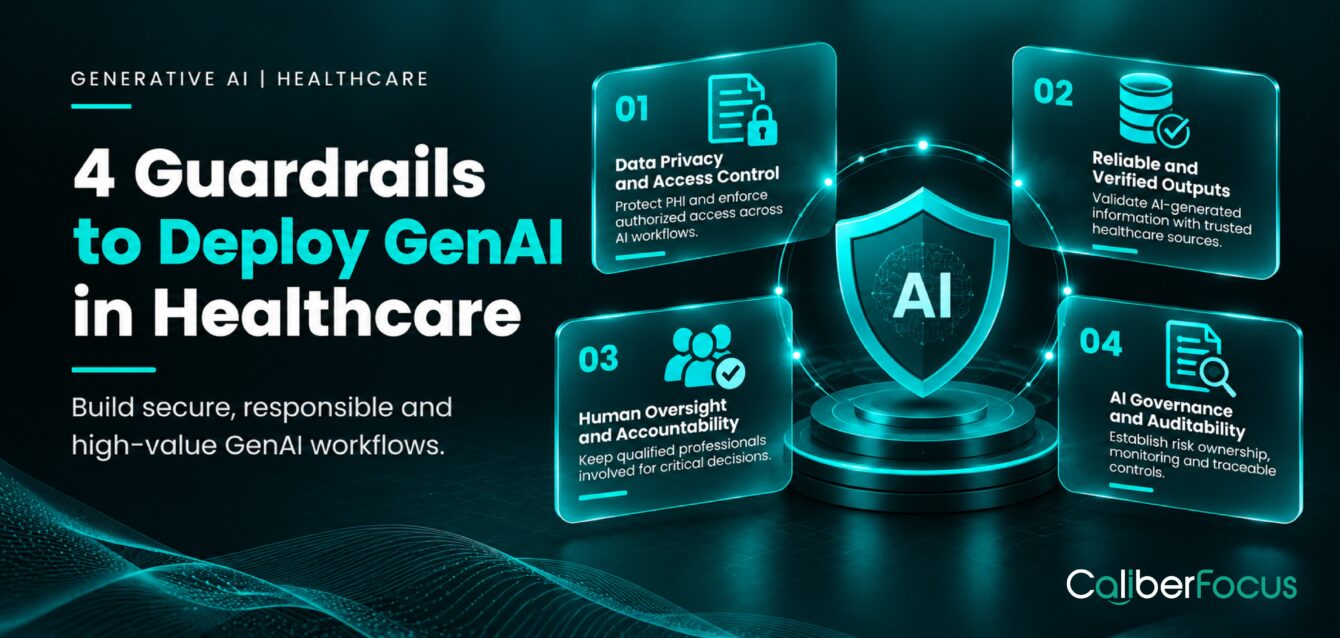
Guardrails for Deploying Generative AI in Healthcare
Generative AI is moving into healthcare workflows where the accuracy of information, protection of patient data, and accountability for decisions are essential. Hospitals are evaluating AI-generated clinical summaries, health insurers are using AI to support member services, and physician practices are…
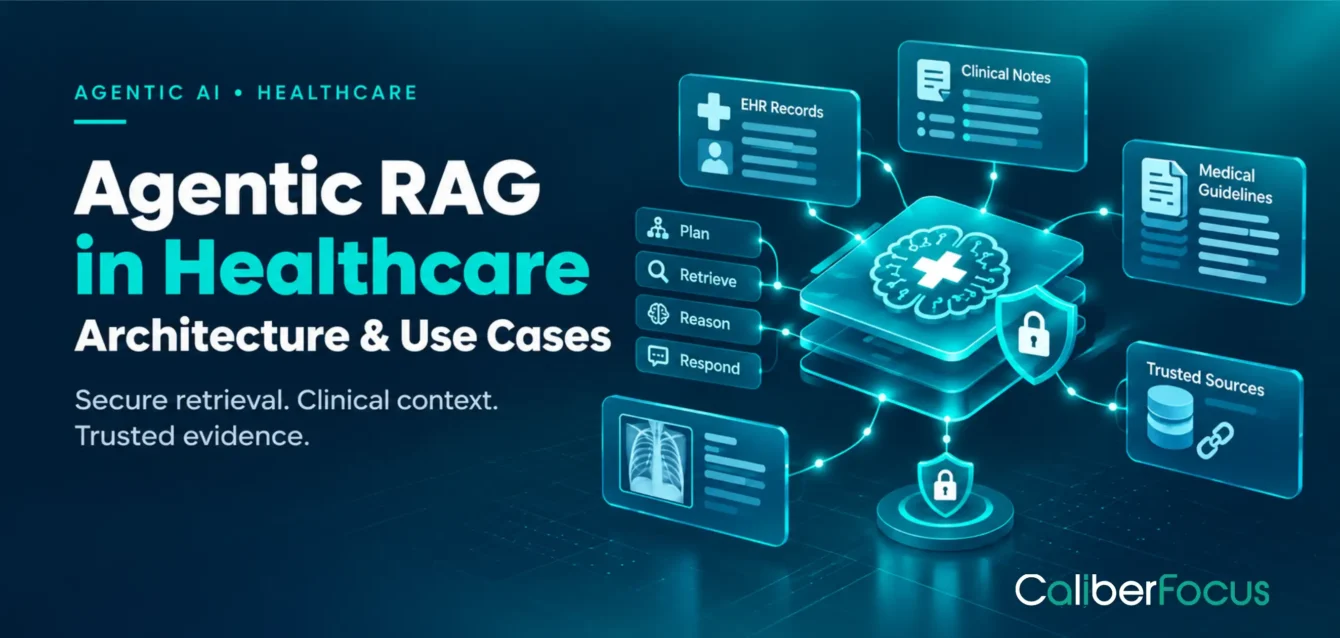
Agentic RAG in Healthcare: Architecture, Use Cases, and Secure Implementation
Healthcare organizations depend on information distributed across electronic health records (EHRs), clinical notes, treatment guidelines, payer policies, and internal knowledge systems. The challenge is not always finding information in one system, but bringing together relevant evidence from multiple sources while preserving…
AI Workflow Automation: 9 Business Use Cases and Implementation Guide
Enterprise workflows rarely fail because teams lack software. Delays often arise when information must move between systems, employees need to interpret unstructured data, or exceptions require repeated manual follow-ups. Consider a procurement request that moves from an employee to purchasing, finance,…
15 Enterprise AI Solutions for Business: Use Cases & Implementation
Enterprise leaders are under growing pressure to improve operational efficiency, reduce decision delays, and extract greater value from existing technology investments. Yet critical business information remains scattered across systems, repetitive processes consume resources, and traditional analytics often identify problems only after…