

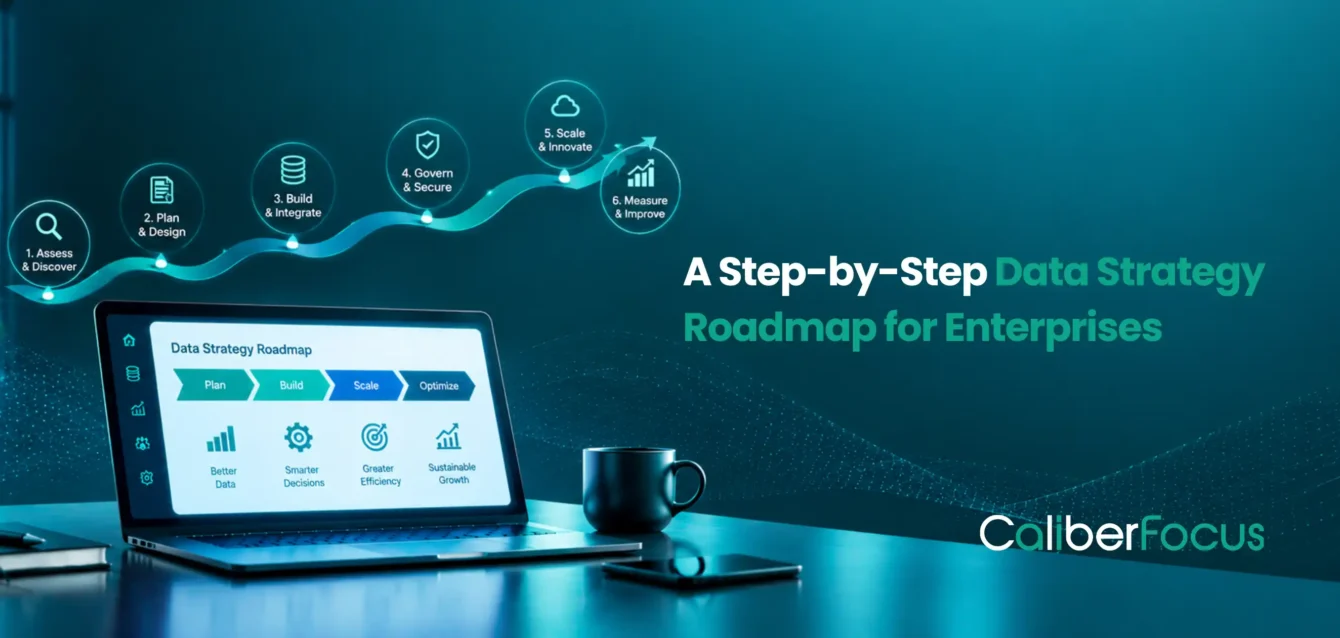
A data strategy roadmap is a prioritized plan that connects business goals with the data capabilities, initiatives and investments required to achieve them. It establishes where the organization is today, what needs to change, which initiatives should come first and how…
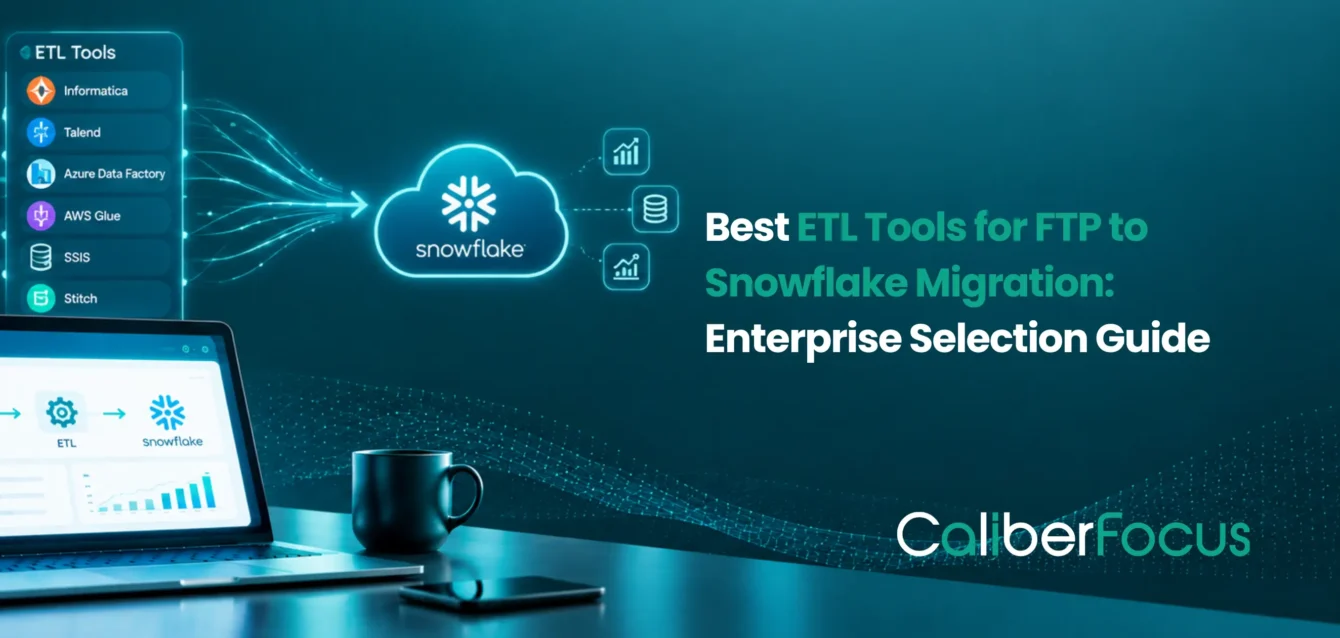
Best ETL Tools for FTP to Snowflake Migration: Enterprise Selection Guide
The best ETL tool for FTP-to-Snowflake migration depends on data complexity, ingestion frequency, transformation requirements, orchestration needs, security controls and the engineering capacity available to operate the pipeline. Cloud-native ETL services, managed integration platforms, orchestration frameworks and custom pipelines can all…
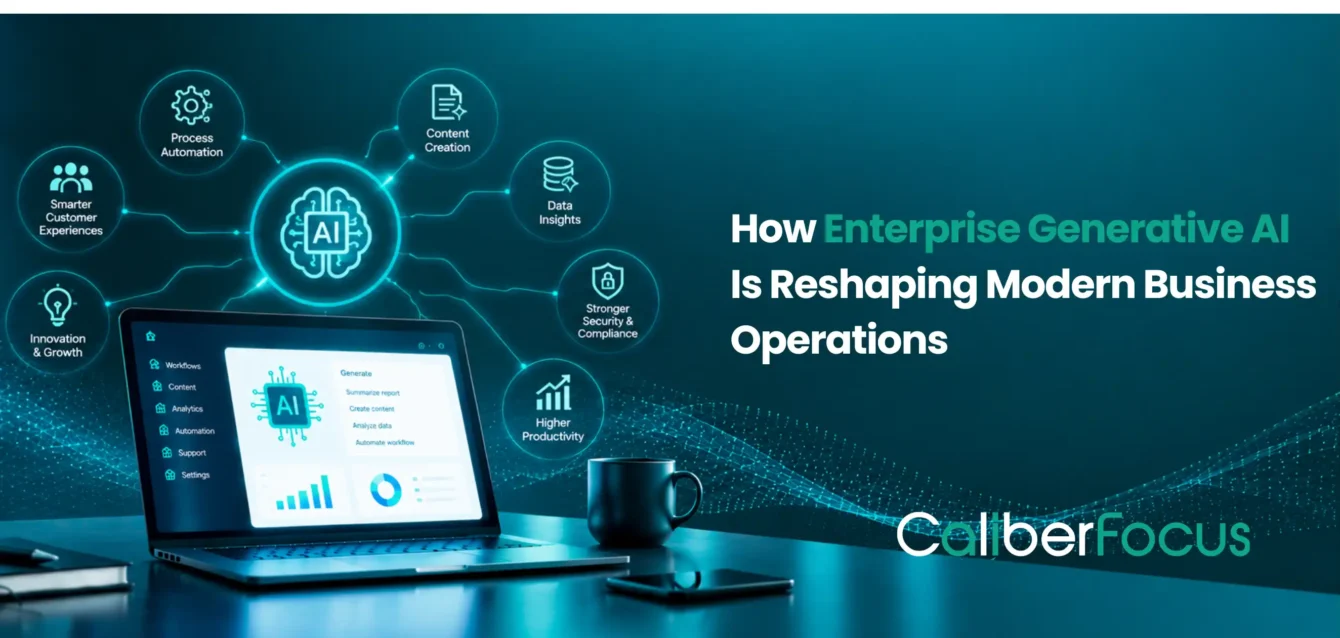
How Enterprise Generative AI Is Reshaping Modern Business Operations
Enterprise generative AI is moving beyond content generation and copilots into the workflows that run the business. When connected with enterprise data, applications, APIs, and knowledge, GenAI can help teams retrieve context, analyze information, support decisions, generate required outputs, and initiate…
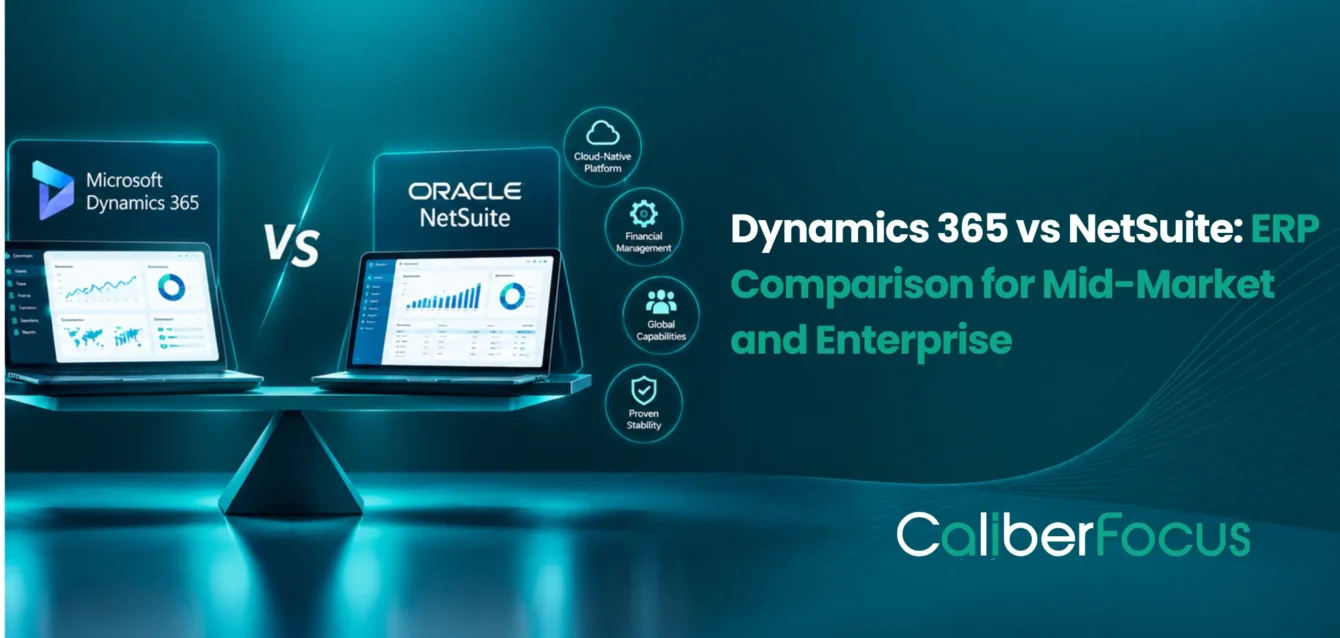
Dynamics 365 vs NetSuite: ERP Comparison for Mid-Market and Enterprise
Choosing between Dynamics 365 and NetSuite rarely comes down to a single feature gap. Dynamics 365 is not one ERP product; it spans Business Central for mid-market operations and Dynamics 365 Finance and Supply Chain Management for larger, more complex organizations,…
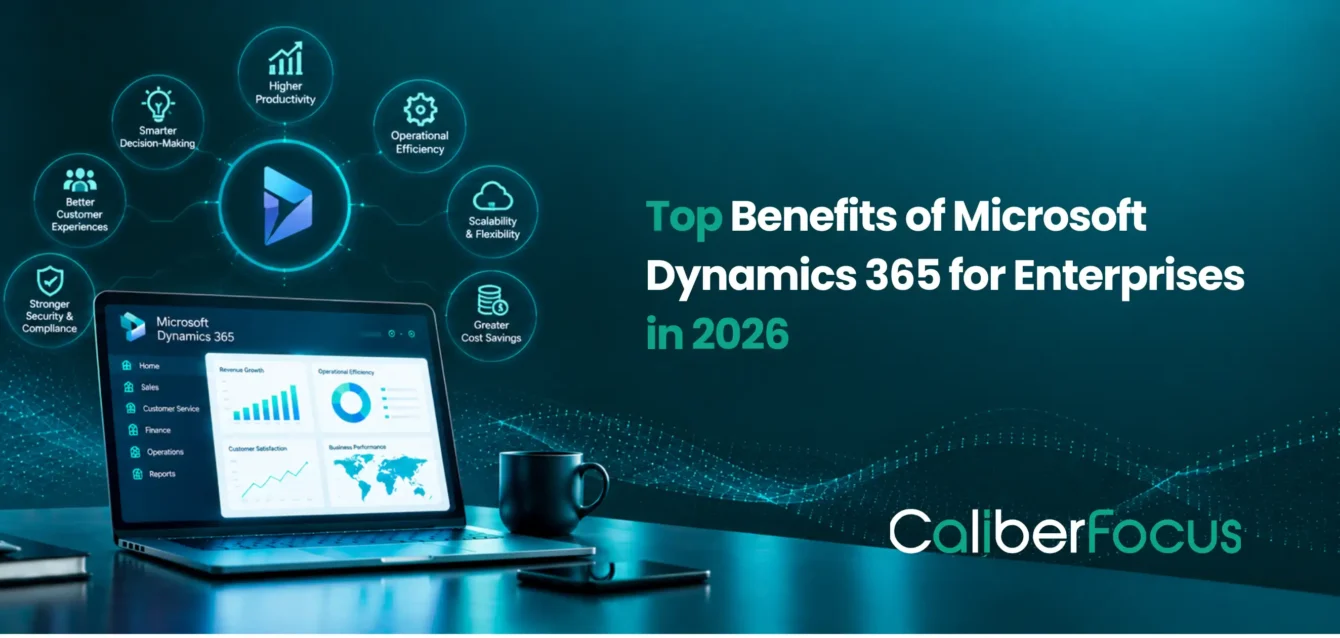
Top Benefits of Microsoft Dynamics 365 for Enterprises
The key benefits of Microsoft Dynamics 365 for enterprises are its ability to connect business operations, automate workflows, apply AI to everyday tasks, and turn business data into more actionable insights. Rather than managing finance, sales, customer service, and supply chain…
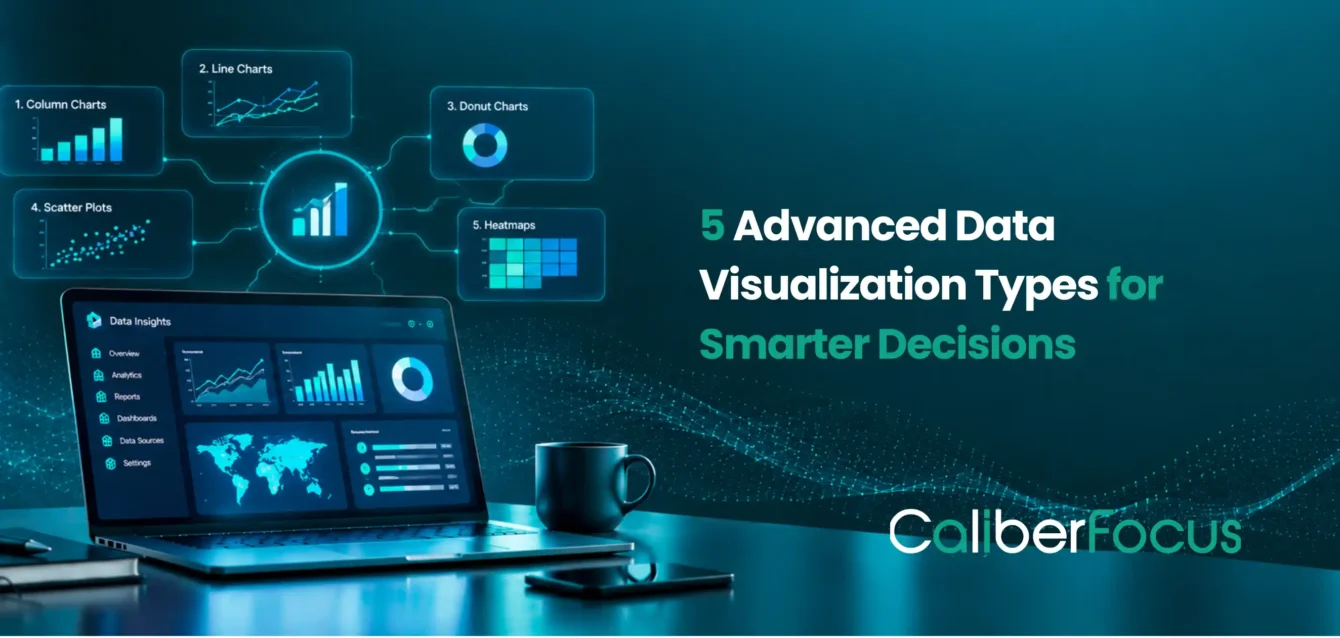
5 Advanced Data Visualization Types for Smarter Decisions
Data visualization has evolved into one of the most powerful levers for decision-making. In boardrooms and operations reviews alike, the quality of insight is defined by the quality of visualization. As organizations scale, their questions become more multidimensional, and the limits…
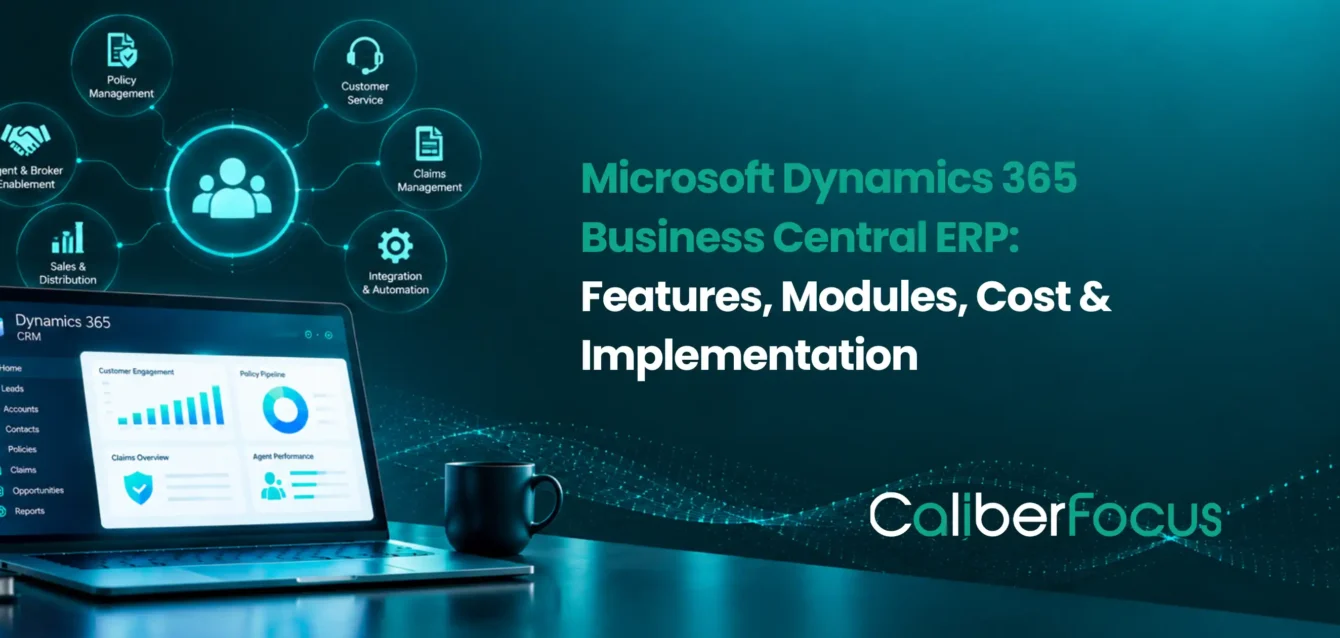
Microsoft Dynamics 365 Business Central ERP: Features, Modules, Cost & Implementation
Disconnected finance, inventory, sales, and operational systems make it difficult to maintain accurate information and consistent workflows. Microsoft Dynamics 365 Business Central ERP connects these core business processes in one platform, giving growing organizations a shared view of financial and operational…
Dynamics 365 Finance vs Business Central: Which One Actually Fits Your Financial Complexity
Business Central runs a single entity well. Dynamics 365 Finance is built for the complexity that shows up once you have more than one. Add a second legal entity, a foreign subsidiary, or an audit committee asking for segregation-of-duties controls, and…
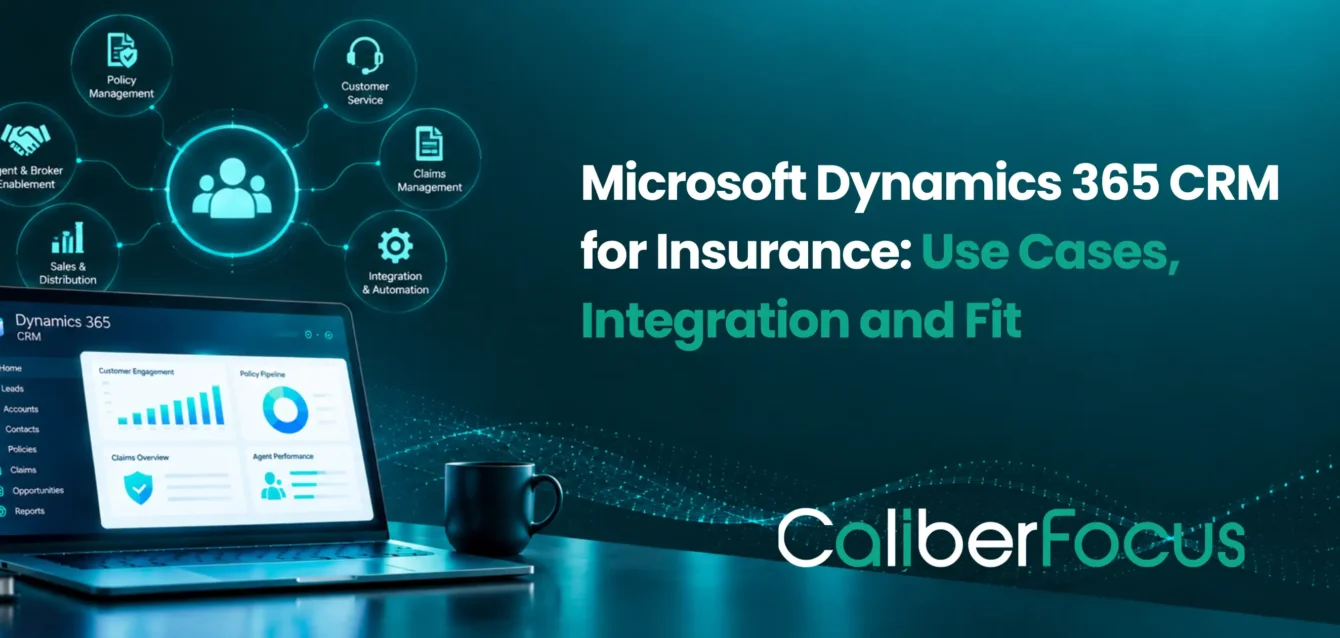
Microsoft Dynamics 365 CRM for Insurance: Use Cases, Integration and Fit
Microsoft Dynamics 365 CRM for insurance gives insurers a single platform to manage customer relationships, agent and broker interactions, service requests, sales activity, and workflow coordination. For most insurance organizations, the value comes from connecting customer-facing and operational teams to information…
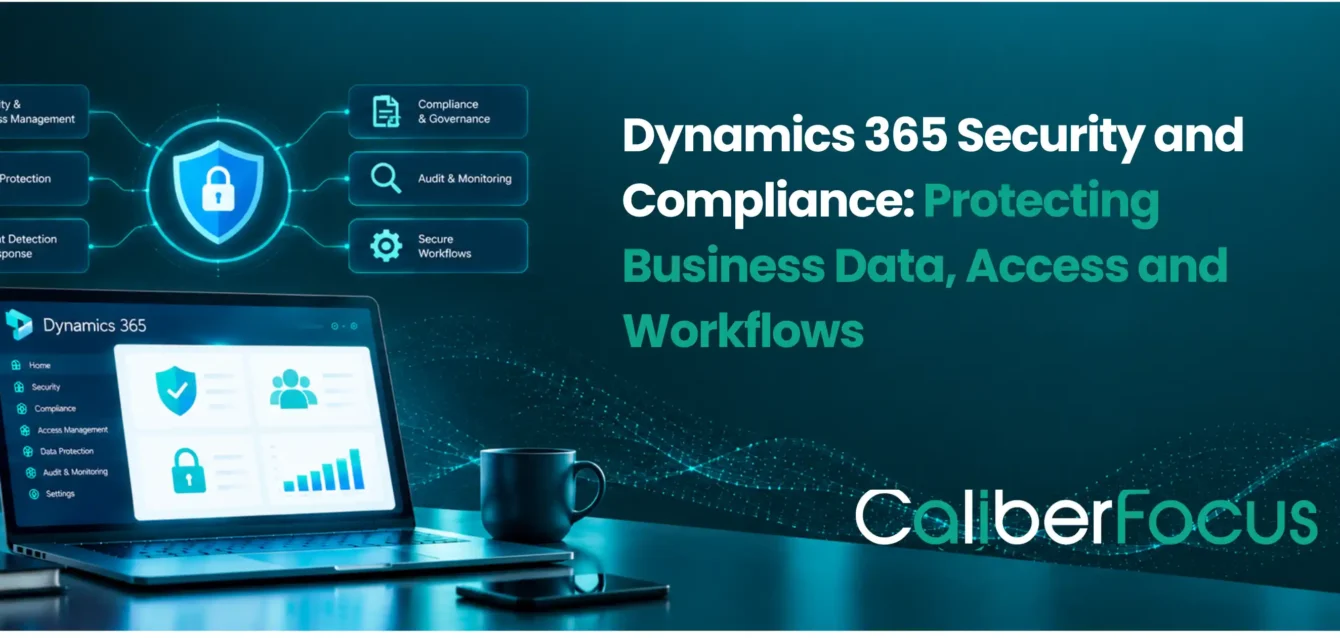
Dynamics 365 Security and Compliance: Protecting Business Data, Access and Workflows
Dynamics 365 security and compliance affect far more than who can log into an application. They determine who can view sensitive business data, change records, approve transactions, export information, run automated processes, access connected systems, and demonstrate that those activities follow…