

Copilot can help employees work faster. But getting it to deliver real value across the business is a different challenge. For enterprises already using Dynamics 365, the question is no longer simply whether to use AI. It is where Dynamics 365…
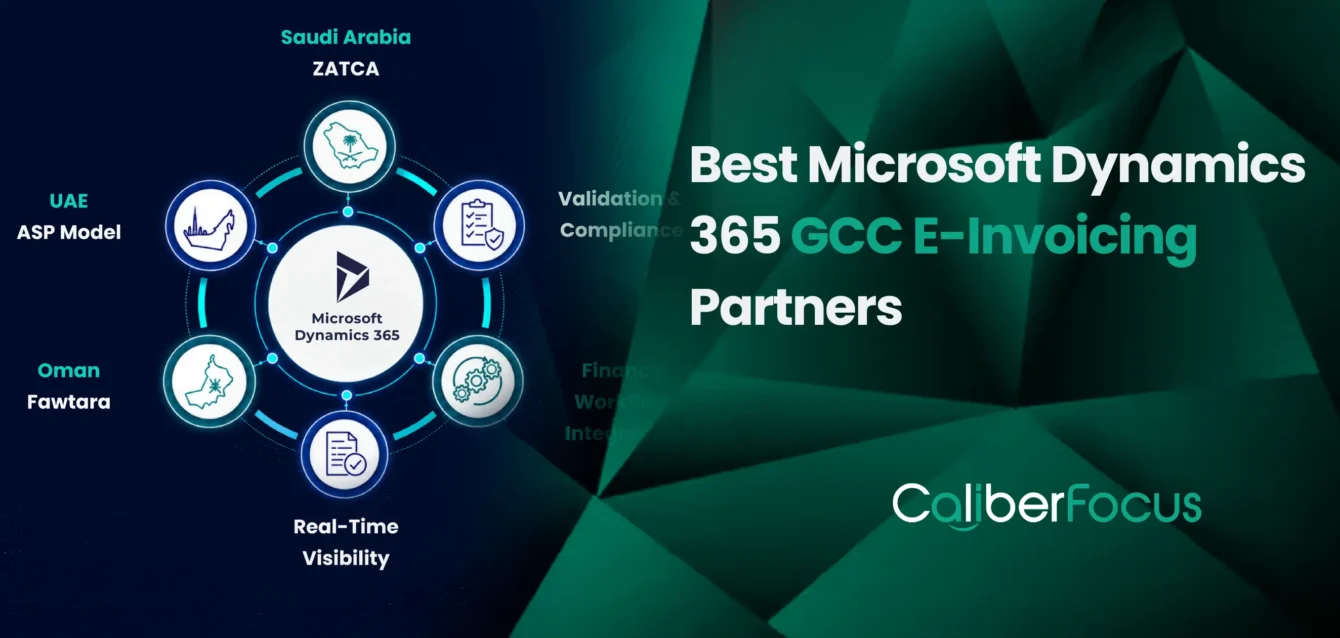
Best Microsoft Dynamics 365 GCC E-Invoicing Partners
GCC e-invoicing is becoming an ERP readiness issue for enterprises running Microsoft Dynamics 365, not simply another tax compliance task. As GCC markets introduce structured e-invoicing frameworks, businesses need to prepare their D365 environment, financial data, integrations, and operating processes well…
10 Best Dynamics 365 Implementation Partners in 2026
A Dynamics 365 implementation can look straightforward on paper. Pick the right modules, migrate the data, configure the workflows, train the team, and go live. In reality, that is where things get complicated. The partner you choose can determine whether Dynamics…

Top Computer Vision Companies in the USA
Looking for a computer vision development company because your teams can no longer keep up with what cameras, images, documents, and visual systems are producing? You are not alone. Enterprises are using computer vision to automate inspection, detect defects, process documents,…

Top Data Visualization Services Companies for Healthcare
Every healthcare leader has been in this situation. Someone asks, “Why are claim denials increasing?” Finance opens one report. Operations shares another. Clinical teams have a different set of numbers altogether. Instead of discussing the problem, everyone spends the next 20…

5 Best Business Intelligence Tools to Use in 2026
Still treating your BI tool as optional? In 2026, that’s a risk. Data is everywhere, but only the smartest businesses are turning it into real-time analytics and automated insights that drive decisions; not just reports. With custom-built business intelligence tools and…
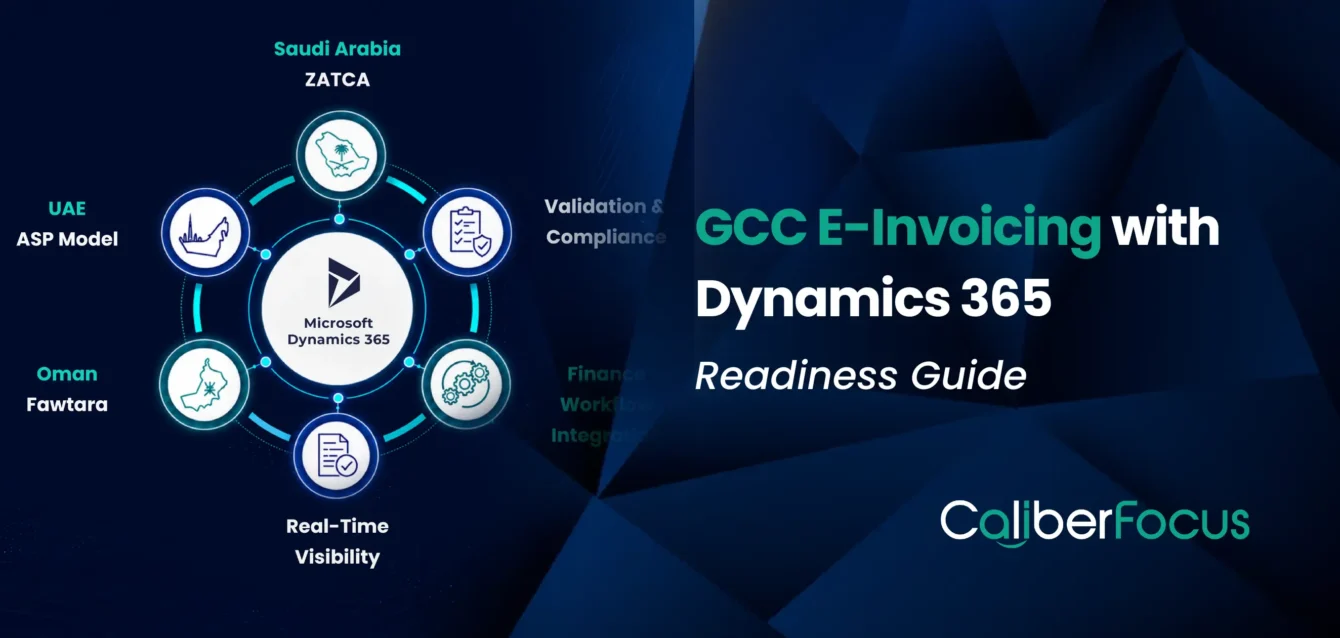
GCC E-Invoicing with Dynamics 365: Readiness Guide
GCC E-Invoicing Is Becoming an ERP Readiness Test. What begins as a tax requirement is raising larger questions about enterprise systems, data quality, integration, and operational control. Across the GCC, e-invoicing is often introduced as a finance or tax compliance initiative….

Best Cloud Data Migration Companies for Enterprise Transformation in 2026
Every cloud migration project starts with a different objective. Some organizations want to retire legacy infrastructure. Others are modernizing enterprise applications, consolidating data platforms, improving disaster recovery, or preparing for AI initiatives. The technology may differ, but one decision remains the…
Top Healthcare Data Visualization Consulting Partners
Have you ever looked at your dashboards and thought, “Why does this give me data, but not the clarity I actually need?“ Most healthcare leaders today have easy access to information because modern EHRs, RCM systems, LIS platforms, and payer portals…
Top Agentic AI Companies in 2026
Agentic AI in 2026 looks very different from what most businesses experimented with just a year or two ago. This is no longer about deploying a chatbot or automating a single task. Agentic AI reasons across goals, makes decisions in context,…